Used by 100+ Kenyan businesses 4.9/5 average rating 200%+ average traffic increase Google Partner Certified

🛠️ Technical SEO Explained Simply – The 2026 Guide for Kenyan Businesses

Picture this: You've spent months crafting the perfect website. You've written compelling content, optimized every page with keywords, and invested in beautiful design. You're proud of what you've built. But when you search for your business on Google… it's nowhere to be found. Page after page, you scroll. Nothing. Your competitors – some with inferior content – are dominating the search results, while your website sits in digital obscurity.

This isn't a hypothetical. Every week, we speak to business owners in Nairobi, Mombasa, Kisumu, and across Kenya who are frustrated, confused, and losing money because their websites don't show up on Google. They've tried everything – posting on social media, running Facebook ads, even paying for Google Ads – but the organic traffic just won't come. And without organic traffic, there are no leads. Without leads, there's no revenue. Without revenue, the business struggles.

Here's the painful truth: Most Kenyan business websites fail because of poor technical SEO. Not because the content isn't good enough. Not because the products aren't great. But because the website itself is invisible to search engines. Google crawls your site, finds broken links, slow loading speeds, missing sitemaps, and duplicate content – and decides, "This site isn't ready to be shown to searchers."

But here's the good news: Technical SEO is 100% fixable. You don't need to be a developer. You don't need to spend thousands of dollars. You just need a clear, step‑by‑step roadmap – exactly what this guide provides. This isn't a collection of random tips from the internet. It's a proven, battle‑tested system that we've used to help over 100 Kenyan businesses fix their technical issues, boost their rankings, and transform their online presence.

What makes this guide different?

  • Kenya‑specific: Every example, tool recommendation, and strategy is tailored to the Kenyan market – from local internet speeds to mobile usage patterns.
  • Actionable, not theoretical: No fluff. Every step includes clear instructions, real examples, and estimated time to implement.
  • Based on real client work: These aren't textbook theories – they're the exact techniques that took a Nairobi business from page 5 to page 1 in 90 days.
  • Beginner‑friendly: We explain every term, every tool, and every technique in plain English – no jargon, no assumptions.
  • Free and comprehensive: This is a complete 22‑section guide covering everything from crawling and indexing to schema markup – all at no cost.

By the time you finish reading, you'll know exactly what's wrong with your site's technical foundation, how to fix it, and when to expect results. You'll have a clear, prioritised action plan that you can start implementing today – even if you've never touched technical SEO before.

200%+
Average traffic boost
From technical SEO fixes
#1
Rank for primary keywords
After fixing technical issues
60
Days to see results
Typical timeline for technical fixes
10x
ROI from technical SEO
Measured over 6 months
250%
Lead generation boost
Qualified inquiries increase

📋 What You'll Learn in This 22‑Section Technical SEO Guide

01. What Is Technical SEO? – A beginner‑friendly definition with 5 pillars.
02. Why It Matters for Kenya – Local data, business case, and ROI proof.
03. Crawling & Indexing – How Google finds and understands your pages.
04. XML Sitemaps – Create, submit, and optimise your sitemap.
05. Robots.txt – Configure it correctly to avoid blocking Google.
06. Canonical Tags – Prevent duplicate content issues.
07. hreflang Tags – For multilingual Kenyan websites.
08. Core Web Vitals – LCP, FID, CLS explained and fixed.
09. Page Speed Optimization – Step‑by‑step guide for faster sites.
10. Mobile‑Friendliness – Critical for Kenya's mobile‑first audience.
11. HTTPS & Security – Why SSL is non‑negotiable for SEO.
12. Structured Data (Schema) – Complete implementation guide.
13. Broken Links (404 Errors) – Find and fix them with 301 redirects.
14. URL Structure – Best practices for clean, keyword‑rich URLs.
15. Duplicate Content – Causes, consequences, and fixes.
16. Server Response Times – Optimize TTFB for faster pages.
17. Crawl Budget – For large sites, ensure Google crawls the right pages.
18. Real Case Study – Full breakdown of a Nairobi business transformation.
19. Before vs. After – Side‑by‑side metrics of 10+ technical elements.
20. 10 Common Problems & Solutions – Fix speed, indexing, errors, and more.
21. Expanded FAQ – 15 questions with in‑depth, actionable answers.
22. Conclusion + Final CTA – Powerful closing with a sticky mobile CTA.

🇰🇪 Why Technical SEO Is Non‑Negotiable for Kenyan Businesses

Kenya's digital landscape is exploding. According to the Communications Authority of Kenya, internet penetration now exceeds 60%, with over 30 million Kenyans online. More than 65% of all web traffic comes from mobile devices. This means two things: opportunity and competition.

Your customers are searching for your products and services on Google – right now. But if your site has technical issues – slow speed, broken links, poor mobile performance – Google will not show it. Even if your content is perfect, technical problems are the gatekeeper that prevents you from being found.

Technical SEO is the great equalizer. It doesn't matter if you're a startup in Kisumu or a well‑established firm in Nairobi – fixing your technical foundation can instantly improve your rankings without writing a single new word of content. This is your chance to outrank the big players by simply making your site work the way Google expects.

🔥 What Makes This Technical SEO Guide Different

Kenya‑First
Every example, tool, and recommendation is tailored to the Kenyan market – from local internet speeds to mobile‑first design.
Actionable, Not Fluff
Every step includes clear instructions, real examples, and estimated time to implement – no vague advice.
Proven in the Real World
These are not textbook theories – they're the exact techniques from our case study that delivered 200%+ traffic growth.
Complete & Comprehensive
22 sections covering everything from beginner basics to advanced schema markup – all in one place.

⏳ Limited Spots – Only 5 Free Technical Audits Per Week

🚀 Claim Your Free $100 Technical SEO Audit Chat with an Expert
Crawling & indexing Core Web Vitals Page speed Mobile optimization Schema markup Broken links Security & HTTPS
Trusted by 100+ Kenyan businesses 4.9/5 rating (58 Google reviews) Same‑day audit reports 100% confidential & no obligation
📑 NAVIGATION

Your Complete Technical SEO Roadmap

This guide is organised into 22 comprehensive sections – from beginner basics to advanced technical fixes. Click any section to jump straight to it, or read through from start to finish for the complete picture.

📊 Your Progress
22 sections total · ~18,000+ words
0% 0% 100%
~45 min read
1
Hero + Trust Badges
Story‑driven introduction with Kenya‑specific context and key results
2,050 words
2
Table of Contents
Complete roadmap of all 22 sections with progress tracker
1,800 words
3
What Is Technical SEO?
Deep definition with 5 pillars and beginner‑friendly explanation
1,500+ words
4
Why Technical SEO Matters for Kenya
Local data, business case, ROI proof, and competitive analysis
1,500+ words
5
Crawling & Indexing Explained
How Google finds and understands your pages with common issues
1,500+ words
6
XML Sitemaps
How to create, submit, and optimise your sitemap for Google
1,200+ words
7
Robots.txt
Configure it correctly to avoid blocking Google from your site
1,200+ words
8
Canonical Tags
Prevent duplicate content issues with proper canonical implementation
1,200+ words
9
hreflang Tags
For multilingual Kenyan websites (Swahili, English, etc.)
1,000+ words
10
Core Web Vitals (LCP, FID, CLS)
Complete guide to measuring and improving LCP, FID, and CLS
1,800+ words
11
Page Speed Optimization
Step‑by‑step guide to making your website lightning fast
1,800+ words
12
Mobile‑Friendliness
Critical for Kenya's mobile‑first audience (65%+ traffic)
1,500+ words
13
HTTPS & SSL Security
Why SSL is non‑negotiable for SEO and how to implement it
1,200+ words
14
Structured Data (Schema)
Complete implementation guide with ready‑to‑use code examples
1,800+ words
15
Broken Links (404 Errors)
How to find and fix broken links with 301 redirects
1,200+ words
16
URL Structure Optimization
Best practices for clean, keyword‑rich URLs
1,500+ words
17
Duplicate Content
Causes, consequences, and how to fix duplicate content issues
1,200+ words
18
Server Response Times (TTFB)
Optimize TTFB for faster page loading
1,000+ words
19
Crawl Budget Optimization
For large Kenyan sites – ensure Google crawls the right pages
1,200+ words
20
Real Case Study
Full breakdown of a Nairobi business that transformed with technical SEO
3,000+ words
21
Author Bio
Credentials, experience, social links, and personal note
300+ words
22
Conclusion + Final CTA
Powerful closing with urgency and sticky mobile call‑to‑action
500+ words

🚀 Quick Start – Not Sure Where to Begin?

🔴 If you're a beginner

Start with Section 3 – understand the fundamentals, then move through each section in order.

🟡 If you have technical issues now

Jump to Section 11 (speed) and Section 15 (broken links) – these deliver the quickest wins.

🟢 If you want the biggest wins

Read the Case Study (Section 20) and Core Web Vitals (Section 10) for proven results, then apply the fixes.

Overwhelmed by the checklist? We'll audit your site and give you a prioritised, custom fix‑it roadmap – so you know exactly which sections to focus on first.

📋 Get Your Free 15‑Point Technical Audit Ask for a Priority Recommendation
100% free No obligation Same‑day report
📖 FOUNDATION

What Is Technical SEO? – The Complete Beginner's Guide

If you've been asking "What is technical SEO and why does my website need it in Kenya?" – you're in the right place. This section answers that question and more, in plain English with actionable insights.

🔍 So, What Exactly Is Technical SEO?

Technical SEO is the practice of optimising your website's infrastructure so that search engines like Google can crawl, index, and understand your content effectively. It's the behind‑the‑scenes foundation that determines whether Google can actually find and rank your pages – regardless of how good your content is.

Think of your website as a physical shop. On‑page SEO is what's inside the shop – the products, signage, and displays. Technical SEO is the building itself – the doors, windows, electricity, and structural integrity. If the building has broken doors, no windows, and faulty wiring, customers can't get in – no matter how good your products are.

In the digital world, the "building" is your site's code, server configuration, speed, and accessibility. If Google's bots can't enter, crawl, or understand your pages, your business stays invisible online – and that's why technical SEO for beginners in Kenya is the first thing you need to master before anything else.

✅ In short: Technical SEO is the art and science of making your website easy for Google to find, crawl, index, and understand – so that when someone searches for what you offer, Google can confidently show your page at the top.

🏛️ The 5 Pillars of Technical SEO – Explained Simply

🕷️

1. Crawlability

Crawlability is about whether Google's bots can access and navigate your website. If your site has broken links, messy URL structures, or a robots.txt file that blocks important pages, Google can't crawl you.

Fix: Clean URLs, proper robots.txt, no broken links
Key question: “Is my website accessible to Google's crawlers without obstacles?”
📋

2. Indexability

Indexability is whether Google can store and organise your pages in its search index. If your pages have noindex tags, duplicate content, or missing canonical tags, Google may not include them in search results.

Fix: Proper canonical tags, no accidental noindex, unique content
Key question: “Is Google storing my pages in its database to show in search results?”

3. Site Speed (Core Web Vitals)

Site speed measures how quickly your pages load – especially on mobile devices. Google uses Core Web Vitals (LCP, FID, CLS) as ranking factors. Slow sites = lower rankings + high bounce rates.

Fix: Optimize images, use caching, CDN, minify code
Key question: “Does my site load fast enough on mobile to keep users happy and Google satisfied?”
🔒

4. Security (HTTPS)

Security ensures your website is safe for users and search engines. Google prioritises HTTPS websites over HTTP – it's a light ranking factor and a trust signal for visitors.

Fix: Install SSL certificate, redirect HTTP to HTTPS
Key question: “Does my website have a valid SSL certificate and serve pages over HTTPS?”
📊

5. Structured Data (Schema Markup)

Structured data is additional code that helps Google understand your content in more detail. It enables rich snippets in search results – star ratings, business hours, phone numbers, FAQs – which dramatically improve click‑through rates.

Fix: Add LocalBusiness, FAQ, Review, Product schema
Key question: “Am I giving Google extra context about my content to display rich results?”

💡 The bottom line: These 5 pillars are the foundation of technical SEO for small business owners who aren't developers. You don't need to be a coder to understand and fix these – you just need this checklist and a willingness to learn.

🤖 How Technical SEO Works – The Crawling, Indexing & Ranking Process

To understand why technical SEO matters, you need to understand how Google actually works. Here's the simplified 3‑step process:

1
Crawling – Google's Bots Visit Your Site

Google uses automated bots (spiders) to discover and scan your web pages. They follow links from other sites, your sitemap, and internal links to find every page on your domain. If your site has broken links, blocked pages (robots.txt), or a poor internal linking structure, bots can't find or access your pages – and that's a crawlability issue.

✅ Technical fix: Submit XML sitemap, fix broken links, ensure robots.txt doesn't block important pages
2
Indexing – Google Analyses Your Pages

After crawling, Google analyses and stores your pages in its massive database (the search index). If Google can't understand your content because of duplicate pages, missing canonical tags, or poor HTML structure, your pages may not be indexed – meaning they never appear in search results.

✅ Technical fix: Add canonical tags, avoid duplicate content, ensure unique meta tags
3
Ranking – Google Decides Where to Show Your Pages

Once indexed, Google evaluates your pages based on hundreds of ranking factors – including content quality, backlinks, and technical signals like page speed, mobile‑friendliness, security, and Core Web Vitals. Pages with strong technical foundations outrank those with technical issues, even with similar content.

✅ Technical fix: Optimize page speed (LCP, FID, CLS), mobile‑friendly design, HTTPS

🔑 The takeaway: If any part of this process fails – crawling, indexing, or ranking – your pages won't appear on Google. Technical SEO ensures all three stages work perfectly so your content has a chance to rank.

🔄 Technical SEO vs On‑Page SEO – What's the Difference?

Many Kenyan business owners get confused between technical SEO and on‑page SEO. Here's a simple breakdown:

🛠️ Technical SEO

Focus: The infrastructure of your website – how it's built and how search engines interact with it.

  • What it fixes: Crawlability, indexing, page speed, mobile‑friendliness, security, structured data
  • Who should do it: Developers, technical SEO experts, or you with this guide
  • Examples: “Why is Google not indexing my new page?” “Why is my site so slow?” “How do I fix broken links?”
✅ Foundation of your website
📝 On‑Page SEO

Focus: The content and HTML elements on your pages – what users see and read.

  • What it fixes: Keyword placement, title tags, meta descriptions, headings, content quality, internal linking
  • Who should do it: Content writers, marketers, business owners
  • Examples: “What keywords should I target?” “How do I write a compelling meta description?” “How long should my content be?”
✅ What users see and engage with

💡 The bottom line: Technical SEO is about getting Google to your site. On‑page SEO is about convincing Google your content is the best. You need both to win – but technical SEO comes first. If Google can't access your site, your on‑page efforts don't matter.

🇰🇪 Kenya‑Specific Technical SEO Challenges – What You Face

Technical SEO in Kenya has unique challenges that global guides often ignore. Here's what you need to know:

📱 1. Mobile‑First Audience

Over 65% of Kenyan web traffic comes from mobile devices. If your site isn't fast and responsive on phones, you're losing more than half your potential customers.

🌐 2. Variable Network Speeds

Network speeds vary dramatically – from fibre in Nairobi to 3G in rural areas. Your site must load quickly on slow connections.

💰 3. Data Cost Sensitivity

Data is expensive. A site that loads quickly and uses less data will attract and retain more users. Aim for page size < 2MB.

🔍 4. Local Search Intent

Kenyan searchers use local keywords – “near me,” “Nairobi,” “Mombasa.” Ensure your technical setup supports local SEO with proper schema and location signals.

🛠️ 5. Limited Developer Resources

Many Kenyan small businesses don't have dedicated developers. That's why this guide focuses on fixes you can do yourself or with minimal help.

💡 The bottom line: When you follow this guide, you're not just learning generic SEO – you're learning technical SEO for Kenyan business websites, tailored to the specific challenges you face every day.

❌ 5 Common Misconceptions About Technical SEO – Debunked

Myth: “Technical SEO is only for developers.”
Truth: Many technical SEO fixes – sitemaps, robots.txt, broken links, canonical tags – can be done by anyone with basic skills. This guide shows you exactly how.
Myth: “Technical SEO doesn't matter if my content is good.”
Truth: If Google can't find or crawl your content, it doesn't matter how good it is. Technical SEO is the gateway to your content.
Myth: “I don't need technical SEO – I'm a small business.”
Truth: Small businesses often have more technical issues than large sites – because they lack dedicated developers. Technical SEO is even more critical for small businesses.
Myth: “Technical SEO is a one‑time fix.”
Truth: Technical SEO is ongoing. As your site grows, new issues appear. Regular audits are essential to maintain performance.
Myth: “Technical SEO is too expensive.”
Truth: Many fixes are free – they just take time and knowledge. This guide gives you both. Professional audits start at $199 – a small investment for massive returns.

⚠️ 5 Technical SEO Mistakes Beginners in Kenya Make – And How to Avoid Them

Mistake 1: “No XML sitemap submitted to Google”
Without a sitemap, Google may not discover all your pages. Create and submit your sitemap to Google Search Console – it's free and takes 5 minutes.
Mistake 2: “Blocking Google with robots.txt”
A misconfigured robots.txt can block Google entirely. Check your robots.txt file and ensure it's not disallowing important pages.
Mistake 3: “Ignoring duplicate content”
Duplicate content confuses Google and dilutes rankings. Use canonical tags to tell Google which version is the original.
Mistake 4: “Slow page speed”
In Kenya, mobile networks are often slower. Optimize images, use caching, and compress code to speed up your site.
Mistake 5: “Not checking for broken links”
Broken links (404 errors) frustrate users and waste crawl budget. Use Screaming Frog or Google Search Console to find and fix them with 301 redirects.

💡 The good news: All these mistakes are 100% fixable – and the rest of this guide shows you exactly how.

📋 Free Download: Technical SEO Checklist for Kenyan Businesses

Don't forget what you've learned. Download our complete technical SEO checklist – a printable PDF that walks you through every fix, step by step. Perfect for small business owners in Nairobi, Mombasa, and across Kenya who want to audit and fix their website's technical foundation.

  • 22‑point technical SEO audit checklist
  • Step‑by‑step fix guide for each issue
  • Free tools and resources you can use today
  • Kenya‑specific tips for mobile, speed, and local search
📥 Get Your Free Technical SEO Checklist Get It on WhatsApp

No spam. Unsubscribe anytime. Your data is safe.

📄
PDF Checklist
12 pages • 22 steps
FREE
Now That You Understand Technical SEO – Let's Put It Into Practice

You now know what technical SEO is, why it matters for Kenyan businesses, and how it works. The next sections will walk you through each pillar – from crawling and indexing to page speed and schema markup – with actionable checklists and real examples.

Still feeling overwhelmed? You're not alone. That's why we offer free technical SEO audits – we'll crawl your site, identify your most critical issues, and give you a prioritised fix list tailored to your business. Only 5 free audits per week.

📑 Back to Table of Contents 📋 Get a Free Technical SEO Audit – See Where You Stand
Next up: Why Technical SEO Matters for Kenya
🇰🇪 LOCAL CONTEXT

Why Technical SEO Matters for Kenyan Businesses in 2026

If you've been asking "Why is my Kenyan website not ranking on Google even with good content?" – the answer is almost always technical SEO. This section explains why technical SEO for Kenyan small businesses is the single most important investment you can make in 2026.

📊 Kenya's Digital Landscape – The Opportunity You Can't Afford to Miss

Kenya's digital economy is exploding – and the numbers tell a compelling story for any business owner wondering "how to improve website crawling and indexing for Kenyan websites."

60%+
Internet Penetration
Over 30 million Kenyans online
Source: Communications Authority of Kenya
65%
Mobile Traffic Share
Most Kenyans browse on phones
Mobile‑first is non‑negotiable
87%
Google Search Dominance
Google is the #1 search engine
Ranking on Google = winning
KSh 890B
Digital Economy Value (2025)
Expected to grow 15%+ annually
Source: World Bank Kenya Digital Economy Report
70%
Shoppers Research Online First
Before buying, they search Google
If you're not visible, you lose

🔑 The Bottom Line: More than 30 million Kenyans are actively searching online for products and services every single day. But here's the catch – if your website has technical SEO issues, Google can't find or index your pages, meaning you're invisible to all 30 million. This is why how to fix website crawling and indexing issues in Kenya should be your #1 priority.

⚠️ The Cost of Inaction – What You Lose by Ignoring Technical SEO

Many Kenyan business owners tell us, "I don't need technical SEO – I have good content." This mindset is costing you thousands of shillings every month. Here's what you're losing if you ignore website technical SEO audit for small business websites in Kenya:

📉 Lost Traffic

If Google can't crawl or index your site, you're invisible – no matter how good your content is. Competitors with better technical SEO are getting all the traffic.

💰 Lost Revenue

If you sell a product worth KSh 5,000 and lose just 100 customers a month due to site speed or indexing issues, that's KSh 500,000 in lost revenue – every month.

📊 Lost Credibility

A slow, broken site erodes trust. Users who experience 404 errors or slow loading are unlikely to buy – they'll go to your faster competitors.

🏆 Lost Competitive Advantage

Your competitors are already fixing their crawlability and indexing problems. Every month you delay, they get further ahead – and it gets harder to catch up.

📱 Lost Mobile Users

With 65% of Kenyan traffic on mobile, a site that's not mobile‑optimised or fast on 3G networks is turning away more than half of potential customers. How to fix mobile usability issues for Kenyan websites is a critical question.

💡 The harsh reality: In 2026, a website with technical issues is like a shop with a broken door – customers walk right past without even knowing you exist. The door may look fine from the outside, but if it won't open, no one can enter. That's exactly what technical SEO problems do to your online business.

🏁 The Competitive Landscape – How Kenyan Websites Are Performing

We've audited 200+ Kenyan business websites across 15+ industries over the past 2 years. Here's what we found when checking common technical SEO mistakes Kenyan business owners make:

⚠️ Poor Technical SEO 85% of sites
  • Slow page speed – 80%+ sites have LCP over 4s
  • No XML sitemap – 70% don't have a sitemap submitted
  • Broken links – Average 25+ 404 errors per site
  • No schema markup – 90% have zero structured data
  • Mobile issues – 60% fail Google's mobile‑friendly test
Rankings: Page 3–5 (invisible to most searchers)
✅ Good Technical SEO 15% of sites
  • Fast page speed – LCP under 2.5s
  • Proper sitemap – submitted and optimised
  • No broken links – regular 404 monitoring
  • Schema markup – LocalBusiness, FAQ, Reviews
  • Mobile‑friendly – passes Google's mobile test
Rankings: Page 1–2 (visible to searchers)

📊 The Gap: Only 15% of Kenyan businesses have good technical SEO. That means 85% of your competitors are making the same technical mistakes – slow sites, broken links, no sitemaps. This gives you a massive opportunity to outrank them just by fixing the basics. If you're wondering how to find and fix technical SEO issues on my website in Kenya, this guide is your answer.

💰 The Business Case – ROI of Technical SEO for Kenyan Businesses

Let's talk numbers. Here's a realistic ROI projection for a typical Kenyan small business investing in technical SEO services for Kenyan businesses, based on our 100+ client campaigns:

$299
Monthly Investment
Technical SEO package
≈ KSh 42,000/month
Includes: audits, fixes, monitoring
200%+
Traffic Increase
Average after technical fixes
From fixing speed, indexing, crawling
10x
ROI
Return on investment
Over 6 months

📈 Here's the math: A business investing KSh 42,000/month in technical SEO can expect to generate KSh 500,000+ in additional revenue within 6 months (based on 10x ROI). That's KSh 3 million+ in extra revenue per year – all from fixing the technical foundation of your website.

But wait – it gets better: Unlike paid ads, technical SEO compounds. Once you fix your crawl errors, speed issues, and schema markup, your site continues to perform month after month without ongoing ad spend. This is why what is the ROI of technical SEO for Kenyan small businesses is one of the most common questions we answer – and the answer is always: it's the best investment you can make.

🔥 The kicker: Many technical fixes are free – they just take time and knowledge. This guide gives you both. And if you need help, our free technical SEO audit identifies your most critical issues at no cost.

🧩 Kenya‑Specific Technical SEO Challenges – And How to Solve Them

Kenyan businesses face unique challenges that global SEO guides ignore. Here's how technical SEO solves them:

📱 Challenge #1: Mobile‑First Browsing

65% of Kenyan traffic is mobile. Many sites aren't optimised for phones.

✅ Technical SEO fix: Responsive design, tap targets, font sizes, Core Web Vitals.
🔍 Search query: "how to fix mobile usability issues for Kenyan websites"
🌐 Challenge #2: Slow Internet Speeds

Network speeds vary across Kenya; slow pages lose visitors.

✅ Technical SEO fix: Image compression, lazy loading, CDN, minimal JavaScript.
🔍 Search query: "how to improve website speed for Kenyan users"
💰 Challenge #3: Data Cost Sensitivity

Data is expensive – large pages cost users money and drive them away.

✅ Technical SEO fix: Optimise page size (< 2MB), compress images, use WebP.
🔍 Search query: "how to reduce website data usage for Kenyan mobile users"
🔍 Challenge #4: Local Search Dominance

Customers search for "near me" and location‑specific terms.

✅ Technical SEO fix: LocalBusiness schema, location pages, Google Business Profile integration.
🔍 Search query: "how to add LocalBusiness schema for Kenyan companies"
🛠️ Challenge #5: Limited Developer Resources

Many small businesses in Kenya don't have dedicated developers or IT teams.

✅ Technical SEO solves it: This guide is beginner‑friendly, and we offer free audits to guide you.
🔍 Search query: "technical SEO for small business owners who aren't developers"

✅ The verdict: Technical SEO isn't just "nice to have" – it's the solution to Kenya's specific digital marketing challenges. Every problem listed above has a proven technical fix that you can implement with this guide.

🌟 Real Success Story – A Nairobi Business Transformed by Technical SEO

Before: A home services company in Nairobi had a website but zero organic traffic. They ranked on page 5 for "cleaning services Nairobi" – essentially invisible. Technical issues included: 5.8s load time, 45 broken links, no XML sitemap, and no schema markup.

After 8 Weeks of Technical SEO Fixes:

  • 200%+ traffic increase – from 320 to 960+ visitors/month
  • #1 ranking for "cleaning services Nairobi" (from #47)
  • 250% lead boost – from 12 to 42+ qualified leads/month
  • Page speed improved from 5.8s to 1.9s (LCP)
  • 0 broken links – all fixed with 301 redirects
KSh 3M+
Extra Revenue per Year
From technical SEO investment
Case study verified

❌ 5 Myths About Technical SEO in Kenya – Debunked

Myth 1: “Technical SEO is too expensive for small businesses.”
Truth: Many fixes are free – you just need the knowledge. Even professional packages start at $299/month – less than a single Google Ads campaign.
Myth 2: “My site is too small for technical SEO to matter.”
Truth: Small sites often have more technical issues than large ones – because they lack dedicated developers. Technical SEO is even more critical for small businesses.
Myth 3: “I don't need a sitemap – my site is small.”
Truth: Every site needs an XML sitemap – it tells Google which pages exist and which to prioritise. Even small sites benefit.
Myth 4: “My Facebook page is enough – I don't need a website.”
Truth: Social media does not help you rank on Google. A website with good technical SEO is the only way to capture search traffic.
Myth 5: “Once I fix technical SEO, I'm done forever.”
Truth: Technical SEO is ongoing. As your site grows, new issues appear. Regular audits are essential – but with this guide, you'll know exactly what to look for.
🛠️
Is Your Website Technically Broken Without You Knowing?

Most Kenyan business websites have hidden technical issues that kill their rankings – and their owners don't even know it. Our free technical SEO audit finds:

Crawl & indexing errors
Page speed & Core Web Vitals
Broken links & 404 errors
Mobile usability issues
Schema & structured data
SSL & security issues
Limited spots: Only 5 free audits per week. 3 already taken this week.
📋 Claim Your Free Technical SEO Audit Chat on WhatsApp
No obligation Same‑day report 100+ Kenyan businesses helped
Ready to Fix Your Technical Foundation and Start Ranking?

You now understand why technical SEO is essential for Kenyan businesses – and the massive opportunity waiting for those who fix their issues. The next sections will show you exactly how to implement every fix – from crawling and indexing to speed optimization and schema markup.

📑 Back to Table of Contents 📋 Get a Free Technical SEO Audit – See Your Kenya‑Specific Gaps
Next up: Crawling & Indexing Explained
🕷️ TECHNICAL FOUNDATION

Crawling & Indexing Explained – How Google Finds Your Kenyan Website

If you've been asking "Why is my website not showing up on Google Kenya?" – the answer is almost always crawling or indexing issues. This section explains how Google discovers and stores your pages – and how to fix the most common problems.

🔍 Crawling vs Indexing – What's the Difference?

Before you can rank on Google, your pages must go through two critical steps: crawling and indexing. Think of it like a library:

🕷️ Crawling

What it is: Google's bots (spiders) visit your website and follow links to discover all your pages. They read your content, meta tags, and code.

  • Analogy: A librarian walking through the library, looking at every book on the shelves.
  • Trigger: Google discovers your site through links, sitemaps, or direct submission.
  • Problem: If Google can't crawl your site, your pages are invisible.
  • Who controls it: You (with robots.txt, sitemaps, server settings)
✅ Fix: Submit XML sitemap, fix broken links, check robots.txt
📋 Indexing

What it is: Google stores and analyses your pages in its massive database (the search index). This is how Google knows your pages exist and what they're about.

  • Analogy: The librarian cataloguing each book in the library system so people can find it later.
  • Trigger: After crawling, Google decides if your page is worth storing.
  • Problem: If Google can't index your page, it never appears in search results.
  • Who controls it: You (with canonical tags, meta tags, duplicate content fixes)
✅ Fix: Add canonical tags, avoid duplicate content, check noindex tags

🔑 The bottom line: Crawling is about Google finding your pages. Indexing is about Google storing your pages. You need both to rank. If either fails, you're invisible on Google – which is why how to check if my website is indexed on Google Kenya is one of the most common questions we hear from concerned business owners.

🚫 Common Crawling Issues – Why Google Can't Find Your Pages

If Google can't crawl your site, your pages never reach the index – meaning they never rank. Here are the most common crawling issues we find on Kenyan business websites:

❌ 1. Robots.txt Blocking Important Pages

Many Kenyan businesses accidentally block Google with a misconfigured robots.txt file. This tells Google, "Don't enter here" – and Google listens.

✅ Fix: Check your robots.txt file and remove disallow rules for important pages
❌ 2. No XML Sitemap

Without a sitemap, Google has to guess which pages exist. This means important pages might never be discovered.

✅ Fix: Create an XML sitemap and submit it to Google Search Console
❌ 3. Broken Links (404 Errors)

Broken links waste Google's crawl budget and stop crawlers from navigating your site. 25+ broken links is the average for Kenyan sites we audit.

✅ Fix: Use Screaming Frog to find broken links and set up 301 redirects
❌ 4. Poor Internal Linking

If your pages aren't linked together, crawlers may never discover them. Isolated pages = invisible pages.

✅ Fix: Add internal links to all important pages using descriptive anchor text
❌ 5. Server Errors (5xx)

If your server is slow or down, Google can't crawl your site. Cheap hosting is a common problem for Kenyan businesses.

✅ Fix: Upgrade to reliable hosting, monitor server response times

💡 Quick win: Use Google Search Console to see which pages Google has crawled. If important pages are missing, you have a crawling issue. For a complete audit, request our free technical crawl →

🚫 Common Indexing Issues – Why Google Finds Your Pages But Doesn't Show Them

Even if Google crawls your site, it may decide not to index your pages. Here are the most common reasons why your website is not indexed on Google Kenya:

❌ 1. Noindex Meta Tag

A noindex tag tells Google "Don't show this page in search results." Sometimes added accidentally by theme settings or plugins.

✅ Fix: Check your page's meta tags – remove `noindex` if it's present
❌ 2. Duplicate Content

If Google finds the same content on multiple pages, it may only index one version and ignore the others.

✅ Fix: Add canonical tags to tell Google which version is the original
❌ 3. Missing Canonical Tags

Without a canonical tag, Google may choose the wrong version of your page to index – or index none at all.

✅ Fix: Add a canonical tag to every page pointing to the preferred URL
❌ 4. Thin Content

If your page has very little content (under 300 words), Google may decide it's not valuable enough to index.

✅ Fix: Expand your content to 800+ words with comprehensive, helpful information
❌ 5. Poor Page Quality (EEAT)

Google may not index pages that lack Experience, Expertise, Authority, or Trust. This is especially important for YMYL (Your Money Your Life) content like health or finance.

✅ Fix: Add author bios, credentials, and show real expertise on your topic

💡 Quick win: Use the URL Inspection tool in Google Search Console to check if a page is indexed. If it shows "URL is not on Google," you have an indexing issue. Get a free indexing audit →

🔍 How to Check If Your Site Is Crawlable & Indexable – A Step‑by‑Step Guide

If you're wondering "how to know if Google is indexing my Kenyan website pages," follow these free steps:

1
Set up Google Search Console (GSC) – This is free and essential for any Kenyan business serious about SEO. Add your website and verify ownership.
2
Check the "Coverage" report – In GSC, go to "Indexing" → "Coverage." This shows you all pages Google has discovered and which ones have errors.
3
Use the URL Inspection tool – Paste any page URL into GSC's URL Inspection tool. It will tell you if the page is indexed and show any crawl issues.
4
Run a site: search – In Google, type site:yourwebsite.com. This shows you all pages Google has indexed. If important pages are missing, you have an indexing problem.
5
Check your XML sitemap – Submit your sitemap in GSC. If it shows errors or no pages, your sitemap needs fixing.
6
Use Screaming Frog (free version) – Download the free version of Screaming Frog (crawls up to 500 pages). It shows broken links, meta tags, and crawl errors.

🛠️ How to Fix Crawling & Indexing Issues – A 7‑Step Action Plan

If you've identified crawling or indexing issues, here's a step‑by‑step action plan to fix them – perfect for how to fix website crawling and indexing issues in Kenya:

1
Fix your robots.txt – Ensure it's not blocking important pages. Use GSC's robots.txt tester to validate.
2
Create and submit a sitemap – Use a plugin like Yoast or Rank Math, then submit in GSC.
3
Fix broken links – Use Screaming Frog to find 404 errors, then set up 301 redirects.
4
Add canonical tags – Use canonical tags on every page to prevent duplicate content issues.
5
Remove noindex tags – Check all pages for noindex meta tags and remove them if they're important pages.
6
Improve internal linking – Ensure every important page has links pointing to it.
7
Request re‑indexing – After fixing issues, use GSC's URL Inspection tool to request re‑indexing of important pages.

⏱️ Estimated time: These fixes typically take 2‑4 hours for a small business website. Once implemented, Google may take 1‑2 weeks to re‑crawl and re‑index your pages.

🇰🇪 Kenya‑Specific Crawling & Indexing Examples

Here are real examples of crawling and indexing issues we've fixed for Kenyan businesses:

🧹 Cleaning Services
  • Issue: No XML sitemap – Google only crawled 3 of 12 pages
  • Fix: Created sitemap with all 12 pages, submitted to GSC
  • Result: All 12 pages indexed within 7 days
💻 Digital Marketing Agency
  • Issue: Robots.txt was blocking the entire /services/ folder
  • Fix: Removed the disallow rule from robots.txt
  • Result: 15 service pages indexed within 3 days
🛠️ Handyman Services
  • Issue: 47 broken links causing crawl errors
  • Fix: Set up 301 redirects for all broken links
  • Result: Crawl errors reduced to zero, indexed pages doubled
🏥 Healthcare Clinic
  • Issue: Noindex meta tag on all service pages (accidental)
  • Fix: Removed noindex from service pages
  • Result: 8 service pages indexed, leads increased 150%
🕷️ Free Crawl & Indexing Audit

Is Google finding your pages? We'll crawl your site and tell you exactly which pages are not indexed, why they're missing, and how to fix them. Includes:

  • Complete crawl error analysis
  • Robots.txt and sitemap audit
  • Indexing status of all pages
  • Broken links and redirect issues
  • Prioritised fix list for Kenyan businesses
📋 Get Your Free Crawl & Indexing Audit Chat on WhatsApp

Free for a limited time · Only 5 per week · No obligation

🕷️
Free Audit
5 spots left
URGENT
Ready to Get Your Pages Found by Google?

You now understand how crawling and indexing work, the common issues that block Google, and exactly how to fix them. The next section will show you how to create and submit an XML sitemap – one of the most effective ways to get your pages indexed quickly.

📑 Back to Table of Contents 📋 Get a Free Crawl Audit – See Which Pages Google Is Missing
Next up: XML Sitemaps
🗺️ TECHNICAL FOUNDATION

XML Sitemaps – How to Get All Your Kenyan Website Pages Indexed

If you've been asking "How to create an XML sitemap for my Kenyan website" or "Why is Google not indexing all my pages in Kenya," this section is for you. Learn how to build, submit, and optimize your sitemap to ensure Google finds every important page on your site.

🗺️ What Is an XML Sitemap and Why Does It Matter?

An XML sitemap is a file that lists all the important pages on your website, helping search engines like Google discover and understand your site's structure. Think of it as a roadmap that tells Google, "Here are all the pages I want you to index."

Without a sitemap, Google has to guess which pages exist by following links. If your site has poor internal linking, or if some pages don't have inbound links, they may never be discovered. A sitemap ensures that all your important pages are found – even the ones buried deep in your site structure.

Example of a simple XML sitemap
<?xml version="1.0" encoding="UTF-8"?>
<urlset xmlns="http://www.sitemaps.org/schemas/sitemap/0.9">
  <url>
    <loc>https://example.com/</loc>
    <lastmod>2026-01-15</lastmod>
    <priority>1.0</priority>
  </url>
  <url>
    <loc>https://example.com/services/cleaning-nairobi</loc>
    <lastmod>2026-01-10</lastmod>
    <priority>0.8</priority>
  </url>
  <url>
    <loc>https://example.com/blog/seo-tips-kenya</loc>
    <lastmod>2026-01-05</lastmod>
    <priority>0.6</priority>
  </url>
</urlset>

Sitemaps are especially important for:

  • New websites – Google doesn't know your site exists yet.
  • Large sites – With hundreds of pages, Google may miss some.
  • Sites with poor internal linking – Pages that aren't linked well.
  • Kenyan businesses – Many local sites have complex structures that confuse crawlers.

🔑 The bottom line: If you don't have a sitemap, you're making it harder for Google to find your pages. This is one of the simplest, most effective fixes for how to get all my website pages indexed on Google Kenya – and it takes less than 15 minutes to set up.

🇰🇪 Why XML Sitemaps Are Critical for Kenyan Websites

Kenyan websites face unique challenges that make sitemaps even more important:

📱 Mobile‑First Crawling

Google crawls mobile versions of sites first. If your mobile site has navigation issues, a sitemap ensures pages are still discovered.

🌐 Variable Network Speeds

Slow Kenyan internet can delay Google's crawling. A sitemap prioritizes which pages Google should crawl first.

📍 Local SEO Focus

Sitemaps help Google find location‑specific pages – essential for Nairobi, Mombasa, and Kisumu businesses.

🛠️ Limited Developer Resources

Many Kenyan businesses don't have developers. Creating a sitemap is easy – plugins make it one‑click.

📊 Competing for Visibility

With 85% of Kenyan businesses having poor technical SEO, a proper sitemap gives you an immediate competitive advantage.

💡 The bottom line: For Kenyan small business websites, a sitemap is one of the quickest wins in technical SEO. It costs nothing, takes minutes to set up, and can immediately increase the number of your pages that Google indexes.

🛠️ How to Create an XML Sitemap – Step by Step

Here are three simple methods to create a sitemap for your Kenyan website:

📱
Method 1: WordPress Plugins

Simplest method for WordPress users. Install Yoast SEO or Rank Math – both automatically generate and update your sitemap.

  • Yoast SEO → General → Features → Enable XML sitemaps
  • Rank Math → Sitemap Settings → Enable
  • Auto‑updates when you add new pages
Easiest
🆓
Method 2: Free Sitemap Generators

For non‑WordPress sites. Use free online generators like XML‑Sitemaps.com or SmallSEOTools.

  • Enter your website URL
  • Choose settings (priority, changefreq)
  • Download the generated sitemap file
  • Upload to your site's root folder
Free
🛠️
Method 3: Manual Creation

For developers. Create your own sitemap using the sitemap protocol or use CMS‑specific tools.

  • Follow sitemaps.org protocol
  • Include all important pages
  • Save as sitemap.xml
  • Upload to your root directory
Advanced

✅ Our recommendation: If you're on WordPress, use Yoast or Rank Math – it's free, automatic, and requires zero technical skills. If you're creating an XML sitemap for a non‑WordPress Kenyan business site, use a free generator like XML‑Sitemaps.com.

📤 How to Submit Your Sitemap to Google – Step by Step

Creating a sitemap is only half the job – you need to tell Google about it. If you've been wondering "how to submit sitemap to Google Search Console for Kenyan websites," here's exactly how:

1
Set up Google Search Console – If you haven't already, add your website to GSC and verify ownership.
2
Go to "Sitemaps" – In GSC, click on "Sitemaps" in the left sidebar.
3
Enter your sitemap URL – Type sitemap.xml (or your sitemap filename) and click "Submit."
4
Monitor the status – GSC will show "Success" once your sitemap is processed. Check for any errors or warnings.
5
Also submit to Bing – Use Bing Webmaster Tools to submit your sitemap for additional visibility.
6
Update when you add pages – If you're using Yoast or Rank Math, sitemaps auto‑update. Otherwise, regenerate and resubmit when you add new content.

💡 Pro tip: After submitting, check GSC's "Coverage" report within 1‑2 weeks to see if your pages are being indexed. If you see "Discovered – currently not indexed," you may have quality issues or crawl budget problems.

❌ 5 Common Sitemap Mistakes to Avoid – Don't Make These Errors

Mistake 1: “Not submitting your sitemap to Google”
Creating a sitemap is useless if you don't submit it. Always submit via Google Search Console – it's free and takes 2 minutes.
Mistake 2: “Including pages you don't want indexed”
Only include important, indexable pages in your sitemap. Exclude admin pages, thank‑you pages, and duplicate content.
Mistake 3: “Not updating your sitemap”
If you add new pages and don't update your sitemap, Google won't know they exist. Use auto‑updating plugins or regenerate regularly.
Mistake 4: “Sitemap is too large”
Google limits sitemaps to 50,000 URLs and 50MB. If your site is larger, create a sitemap index file.
Mistake 5: “Forgetting to ping Google”
After updating your sitemap, ping Google at https://www.google.com/ping?sitemap=https://example.com/sitemap.xml to notify them immediately.

🇰🇪 Kenya‑Specific Sitemap Examples

Here are real examples of sitemap structures for Kenyan businesses:

🧹 Cleaning Services (10‑20 pages)
  • / (homepage) – priority 1.0
  • /services/house-cleaning – priority 0.9
  • /services/office-cleaning – priority 0.9
  • /services/carpet-cleaning – priority 0.9
  • /blog/ – priority 0.6
  • /contact – priority 0.5
💻 Digital Marketing (30‑50 pages)
  • / (homepage) – priority 1.0
  • /services/seo-kenya – priority 0.9
  • /services/content-marketing – priority 0.9
  • /services/social-media – priority 0.8
  • /blog/ – priority 0.6 (multiple blog posts)
  • /case-studies/ – priority 0.7
🛠️ Handyman Services (15‑25 pages)
  • / (homepage) – priority 1.0
  • /services/plumbing – priority 0.9
  • /services/electrical – priority 0.9
  • /services/painting – priority 0.9
  • /services/emergency-repairs – priority 0.9
  • /blog/ – priority 0.6
🏥 Healthcare (20‑40 pages)
  • / (homepage) – priority 1.0
  • /services/dental – priority 0.9
  • /services/orthodontics – priority 0.9
  • /services/teeth-whitening – priority 0.8
  • /about-us/ – priority 0.7
  • /blog/ – priority 0.6 (health tips)
🗺️ Free Sitemap & Indexing Audit

Is your sitemap working correctly? We'll check your sitemap structure, ensure it's submitted correctly, and verify which pages are actually indexed by Google.

  • Sitemap validation and error check
  • Sitemap submission verification
  • Indexing status of all important pages
  • Robots.txt and sitemap conflict check
  • Prioritised fix list for Kenyan businesses

Free for a limited time · Only 5 per week · No obligation

🔍 Search query: "how to create an XML sitemap for my Kenyan website" · "how to submit sitemap to Google Search Console for Kenyan websites"

🗺️
Free Audit
5 spots left
URGENT
Ready to Get All Your Pages Indexed with a Proper Sitemap?

You now know what sitemaps are, how to create them, and how to submit them to Google. The next section will show you how to configure robots.txt – and ensure you're not accidentally blocking Google from your pages.

📑 Back to Table of Contents 📋 Get a Free Sitemap Audit – See If Google Can Find Your Pages
Next up: Robots.txt
🤖 TECHNICAL FOUNDATION

Robots.txt – How to Tell Google What to Crawl (and What Not To)

If you've been asking "Why is Google not crawling my Kenyan website pages?" or "How to fix robots.txt blocking Google in Kenya," this section is for you. Learn how to configure your robots.txt file to ensure Google can access your important pages while blocking the ones you don't want indexed.

🤖 What Is Robots.txt and Why Does It Matter?

Robots.txt is a text file that lives in your website's root directory (e.g., https://example.com/robots.txt). It tells search engine crawlers which pages to visit and which pages to avoid. Think of it as a "No Entry" sign for specific parts of your site.

The robots.txt file is essential because it helps you:

  • Manage crawl budget – Prevent Google from wasting time on unimportant pages (admin, login, search results).
  • Protect sensitive content – Block access to private or staging areas.
  • Improve crawl efficiency – Guide Google to your most important pages first.
  • Avoid duplicate content – Block pages with duplicate or thin content that you don't want indexed.
Example of a basic robots.txt file
# Allow all crawlers to access the entire site
User-agent: *
Allow: /

# Block access to admin and login pages
User-agent: *
Disallow: /wp-admin/
Disallow: /login/
Disallow: /cart/
Disallow: /checkout/

🔑 The bottom line: A correctly configured robots.txt file helps Google crawl your site efficiently and prevents it from wasting time on pages you don't want indexed. But misconfigured robots.txt can block your entire site – that's why how to fix robots.txt blocking Google in Kenya is one of the most common questions we answer.

⚠️ Common Robots.txt Mistakes That Block Google – Don't Make These Errors

These are the most dangerous robots.txt mistakes we see on Kenyan business websites – they can completely block Google from crawling your site:

🚫 1. Disallow: / (Blocking Everything)

If your robots.txt contains Disallow: /, you're telling Google "Do not crawl anything on my site" – meaning no pages will be indexed.

❌ Wrong: User-agent: * Disallow: /
✅ Correct: User-agent: * Allow: /
🚫 2. Blocking CSS, JS, or Images

Google needs CSS and JS to render your page correctly. If you block these, Google may not be able to see your site properly – hurting rankings.

❌ Disallow: /wp-content/
✅ Don't block CSS/JS – allow them.
🚫 3. Using Disallow Instead of Allow

If you accidentally use Disallow on your entire site, you've blocked everything. Always use Allow to permit crawling.

❌ User-agent: * Disallow: /wp-admin/
✅ User-agent: * Allow: /wp-admin/
🚫 4. Not Having a Robots.txt File at All

While not fatal, lacking a robots.txt file means Google crawls everything – wasting crawl budget on unimportant pages.

⚠️ Not critical but inefficient.
✅ Always have a robots.txt file.
🚫 5. Blocking Staging or Test Environments

If you have a staging site (e.g., staging.example.com), ensure it's blocked so Google doesn't index duplicate content or unfinished pages.

✅ User-agent: * Disallow: /staging/

💡 Critical warning: A single Disallow: / in your robots.txt file can make your entire website invisible to Google. Always test your robots.txt file after making changes – request a free robots.txt audit →

🛠️ How to Create & Test Your Robots.txt File – Step by Step

Follow these steps to create, configure, and test your robots.txt file for your Kenyan website:

1
Check if you already have a robots.txt file – Go to https://yourdomain.com/robots.txt. If you see a file, review it. If not, you'll need to create one.
2
Create a basic robots.txt file – Start with a simple allow‑all file:
User-agent: *
Allow: /
3
Add disallow rules for pages you don't want crawled – For example, block admin, login, cart, and checkout pages:
Disallow: /wp-admin/
Disallow: /login/
Disallow: /cart/
4
Upload the file to your root directory – Place robots.txt in the root folder of your website (e.g., public_html).
5
Test your robots.txt file – Use Google's free Robots.txt Tester in Google Search Console. It will show any syntax errors.
6
Monitor after changes – Use Google Search Console's Coverage report to see if any pages are being blocked incorrectly.

✅ Quick win: The most common robots.txt mistake for Kenyan websites is accidentally blocking the entire site with Disallow: /. Always use the Robots.txt Tester in Google Search Console to verify your file before submitting any changes.

🇰🇪 Kenya‑Specific Robots.txt Examples

Here are real robots.txt configurations for Kenyan businesses:

🧹 Cleaning Services (WordPress)
User-agent: *
Allow: /
Disallow: /wp-admin/
Disallow: /login/
Disallow: /cart/
Disallow: /checkout/
Sitemap: https://example.com/sitemap.xml
✅ Blocks admin, login, cart – allows everything else
💻 Digital Marketing Agency
User-agent: *
Allow: /
Disallow: /staging/
Disallow: /cms/
Disallow: /login/
Sitemap: https://example.com/sitemap_index.xml
✅ Blocks staging environment, CMS, and login
🛠️ Handyman Services (Custom Site)
User-agent: *
Allow: /
Disallow: /admin/
Disallow: /user/
Disallow: /search/
Sitemap: https://example.com/sitemap.xml
✅ Blocks admin, user profiles, and search results
🏥 Healthcare Clinic
User-agent: *
Allow: /
Disallow: /admin/
Disallow: /appointments/
Disallow: /patient-portal/
Sitemap: https://example.com/sitemap.xml
✅ Blocks admin, appointments, and patient portal

🔍 How to Test Your Robots.txt File – Free Tools

Before you finalize your robots.txt file, always test it to ensure you haven't accidentally blocked important pages:

🔍
Google Search Console

Best option. The Robots.txt Tester in GSC shows if your file has syntax errors and which pages are blocked.

Free
🕷️
Screaming Frog

Crawls your site and shows which pages are blocked by robots.txt – excellent for a full audit.

Free / Paid
📋
Robots.txt Validator

Quick online validators check syntax and formatting – paste your file and get instant feedback.

Free
🤖 Free Robots.txt & Crawlability Audit

Is your robots.txt file blocking Google? We'll audit your robots.txt file and your site's crawlability to ensure Google can access all your important pages.

  • Robots.txt syntax and configuration check
  • Identify pages accidentally blocked
  • Crawl budget optimization recommendations
  • Server response and crawl error analysis
  • Prioritised fix list for Kenyan businesses

Free for a limited time · Only 5 per week · No obligation

🔍 Search query: "how to fix robots.txt blocking Google in Kenya" · "why is Google not crawling my Kenyan website pages" · "how to configure robots.txt for WordPress in Kenya"

🤖
Free Audit
5 spots left
URGENT
Ready to Fix Your Robots.txt and Get Google Crawling?

You now know what robots.txt is, how to configure it correctly, and how to avoid blocking Google. The next section will show you how to use canonical tags to prevent duplicate content issues.

📑 Back to Table of Contents 📋 Get a Free Robots.txt Audit – See If You're Blocking Google
Next up: Canonical Tags
🏷️ TECHNICAL FOUNDATION

Canonical Tags – How to Prevent Duplicate Content Issues on Your Kenyan Website

If you've been asking "Why does Google show the wrong page for my Kenyan website?" or "How to fix duplicate content issues in Kenya," this section is for you. Learn how to use canonical tags to tell Google which version of your page is the original – and protect your rankings.

🏷️ What Are Canonical Tags and Why Do They Matter?

A canonical tag (rel="canonical") is a small piece of HTML code that tells search engines which version of a page is the master copy when multiple URLs have similar or identical content. Think of it as a "this is the original" stamp for your web pages.

Without canonical tags, Google may split ranking signals across multiple versions of the same page – diluting your rankings and confusing search engines. Canonical tags consolidate authority to a single URL, ensuring your best version ranks.

Example of a canonical tag in HTML
<link rel="canonical" href="https://example.com/services/cleaning-nairobi" />

This tells Google: "The master version of this page is at https://example.com/services/cleaning-nairobi"

Canonical tags are especially important when:

  • Your site has multiple URLs for the same page (e.g., HTTP vs. HTTPS, www vs. non-www).
  • You have similar or duplicate content across multiple pages.
  • Your CMS generates multiple URLs for the same content (e.g., sorting, filtering, pagination).
  • You're migrating or consolidating pages and want to preserve link equity.

🔑 The bottom line: Canonical tags are essential for Kenyan websites because duplicate content issues are common – especially with CMS platforms, pagination, and URL parameters. If you've been wondering "how to fix duplicate content issues in Kenya," canonical tags are your answer.

🔍 How Canonical Tags Work – A Simple Example

Let's say you have a product page that can be accessed through multiple URLs:

❌ Without Canonical Tags

Multiple URLs with the same content confuse Google:

  • https://example.com/product
  • https://example.com/product?sort=price
  • https://example.com/product?page=2
  • https://example.com/product/ref=123
❌ Google sees 4 different pages – splits ranking signals
✅ With Canonical Tags

All versions point to the master URL:

  • https://example.com/product ← canonical
  • https://example.com/product?sort=price ← points to canonical
  • https://example.com/product?page=2 ← points to canonical
  • https://example.com/product/ref=123 ← points to canonical
✅ All signals consolidate – one page ranks higher

💡 The result: With canonical tags, Google understands that all these URLs are one page – so all link equity and ranking signals go to one authoritative version. This is how you avoid duplicate content penalties for Kenyan business websites.

⚠️ 5 Common Canonical Tag Mistakes to Avoid – Don't Make These Errors

These are the most common canonical tag mistakes we see on Kenyan business websites:

Mistake 1: “No canonical tag at all”
Without a canonical tag, Google guesses which version is the master – often choosing the wrong one. Always add canonical tags to every page.
Mistake 2: “Canonical pointing to a 404 page”
If your canonical tag points to a page that doesn't exist (404), Google ignores it. Always test your canonical URLs.
Mistake 3: “Canonical on completely different content”
Only use canonical tags for similar or duplicate content. Don't point to a completely different page – it confuses Google.
Mistake 4: “Mixed HTTP and HTTPS in canonical tags”
Always use HTTPS in your canonical tags if your site has SSL. Mixed signals confuse Google and may cause indexing issues.
Mistake 5: “Self-referencing canonical on every page”
Every page should have a self-referencing canonical (pointing to itself) – this prevents Google from choosing a different version. Yes, even your homepage needs a canonical tag.

💡 Quick win: Check your site's canonical tags using the free "SEO Meta in 1 Click" browser extension – it shows the canonical URL for any page instantly. Request a free canonical tag audit →

🛠️ How to Implement Canonical Tags – Step by Step

Here are three methods to implement canonical tags on your Kenyan website:

📱
Method 1: SEO Plugins

WordPress users. Install Yoast SEO or Rank Math – they add canonical tags automatically.

  • Yoast SEO → Advanced → Canonical URL
  • Rank Math → Advanced SEO → Canonical URL
  • Auto‑generates self‑referencing canonicals
Easiest
✍️
Method 2: Manual HTML

For custom sites. Add the canonical tag in the <head> section of your HTML.

  • <link rel="canonical" href="https://example.com/page" />
  • Add to every page's <head>
  • Dynamic pages need server‑side logic
Intermediate
🛠️
Method 3: HTTP Headers

For non‑HTML files. Use HTTP headers for PDFs, images, or other file types.

  • Link: <https://example.com/file.pdf>; rel="canonical"
  • Set via .htaccess or server config
  • Less common but useful for some sites
Advanced

✅ Our recommendation: If you're on WordPress, use Yoast or Rank Math – they handle canonical tags automatically. If you're building a custom site, always include a self‑referencing canonical on every page.

🇰🇪 Kenya‑Specific Canonical Tag Examples

Here are real examples of canonical tag implementation for Kenyan businesses:

🧹 Cleaning Services
  • Issue: Multiple URLs for same service (sorting, filtering)
  • Fix: <link rel="canonical" href="https://example.com/services/cleaning" />
  • Result: All filter/sort versions point to master page
💻 Digital Marketing Agency
  • Issue: HTTP and HTTPS versions both accessible
  • Fix: <link rel="canonical" href="https://example.com/services/seo" />
  • Result: All signals go to HTTPS version
🛠️ Handyman Services
  • Issue: Pagination creating duplicate content
  • Fix: <link rel="canonical" href="https://example.com/services/handyman" />
  • Result: All paginated pages point to main service page
🏥 Healthcare Clinic
  • Issue: www and non-www versions both indexed
  • Fix: <link rel="canonical" href="https://example.com/services/dental" />
  • Result: All signals go to preferred version

🔍 How to Test Canonical Tags – Free Tools

After implementing canonical tags, always test them to ensure they're working correctly:

🔍
Google Search Console

The URL Inspection tool shows which version Google considers canonical – and if there are any issues.

Free
📏
Browser Extensions

Extensions like "SEO Meta in 1 Click" show the canonical URL for any page instantly – no coding required.

Free
🕷️
Screaming Frog

Crawls your entire site and shows canonical tags for every page – identifies missing or incorrect tags.

Free / Paid
🏷️ Free Canonical Tag & Duplicate Content Audit

Are duplicate content issues hurting your rankings? We'll audit your canonical tags and identify all duplicate content issues on your Kenyan website.

  • Canonical tag implementation check
  • Identify missing or incorrect canonicals
  • Duplicate content detection across all pages
  • URL parameter and pagination analysis
  • Prioritised fix list for Kenyan businesses

Free for a limited time · Only 5 per week · No obligation

🔍 Search query: "how to fix duplicate content issues in Kenya" · "why does Google show the wrong page for my Kenyan website" · "how to implement canonical tags on WordPress Kenya"

🏷️
Free Audit
5 spots left
URGENT
Ready to Fix Duplicate Content with Canonical Tags?

You now understand what canonical tags are, why they matter, how to implement them, and how to avoid common mistakes. The next section will show you how to use hreflang tags for multilingual Kenyan websites.

📑 Back to Table of Contents 📋 Get a Free Canonical Tag Audit – See If Duplicate Content Is Hurting You
Next up: hreflang Tags
🌍 TECHNICAL FOUNDATION

hreflang Tags – Master Multilingual SEO for Kenyan Websites

If you're running a multilingual Kenyan website – with content in English, Swahili, or other languages – you need hreflang tags. This section explains how to implement hreflang correctly so Google serves the right language version to the right users.

🌐 What Are hreflang Tags and Why Do Kenyan Businesses Need Them?

hreflang tags are HTML attributes that tell Google which language and region a specific page is intended for. They help search engines serve the correct language version of your page to users based on their browser language settings and location.

For Kenyan businesses, hreflang is essential because:

  • Kenya has two official languages – English and Swahili – plus many regional languages.
  • Users expect content in their preferred language – especially for government, education, healthcare, and consumer services.
  • Without hreflang, Google may show the wrong version – e.g., Swahili users seeing English pages or vice versa.
  • Duplicate content issues can occur if Google indexes the same content across multiple language versions without proper signals.
Example of hreflang tags
<link rel="alternate" href="https://example.com/en/" hreflang="en" />
<link rel="alternate" href="https://example.com/sw/" hreflang="sw" />
<link rel="alternate" href="https://example.com/en/" hreflang="x-default" />

This tells Google: English version is at /en/, Swahili version is at /sw/, and the default (fallback) is English.

🔑 The bottom line: If you have content in English and Swahili (or any other languages), hreflang tags are non‑negotiable. They ensure the right users see the right content – which improves user experience, reduces bounce rates, and prevents duplicate content penalties.

🔍 How hreflang Works – Real Kenya Examples

Here's how hreflang tags work in practice for Kenyan websites with English and Swahili content:

📱 User Scenario 1: Swahili Speaker in Nairobi
  • User's browser language: Swahili (sw-KE)
  • Google checks: hreflang tags and serves the Swahili version
  • Result: User sees /sw/ version – better experience
✅ Correct version served
📱 User Scenario 2: English Speaker in Mombasa
  • User's browser language: English (en)
  • Google checks: hreflang tags and serves the English version
  • Result: User sees /en/ version – familiar language
✅ Correct version served
🌐 User Scenario 3: International Visitor (No Language Preference)
  • User's browser language: Not set or not matching
  • Google checks: hreflang tags and uses x-default fallback
  • Result: User sees English version (default) – safe fallback
✅ Default version served

💡 Quick win: If you have a multilingual site, add hreflang tags to every page – not just the homepage. This ensures all language versions are correctly associated and served to the right users.

🛠️ How to Implement hreflang Tags – Step by Step

Here are three methods to implement hreflang tags on your Kenyan website:

📱
Method 1: SEO Plugins

WordPress users. Use Yoast SEO Premium or Rank Math to add hreflang tags automatically.

  • Yoast SEO → Advanced → hreflang tags
  • Rank Math → Advanced → hreflang
  • Auto‑generates for multilingual sites
Easiest
✍️
Method 2: Manual HTML

For custom sites. Add hreflang tags in the <head> section of each page.

  • <link rel="alternate" href="https://example.com/en/" hreflang="en" />
  • Add to every page's <head>
  • Include all language versions
Intermediate
📊
Method 3: HTTP Headers / Sitemap

For large sites. Use HTTP headers or include hreflang in your XML sitemap.

  • HTTP: Link: <https://example.com/en/>; rel="alternate"; hreflang="en"
  • Sitemap: <xhtml:link rel="alternate" hreflang="en" href="https://example.com/en/"/>
Advanced

✅ Our recommendation: If you're on WordPress with a multilingual plugin (like WPML or Polylang), hreflang tags are handled automatically. If you're building a custom site, always include the x-default fallback to handle users with no language preference.

⚠️ 5 Common hreflang Mistakes to Avoid – Don't Make These Errors

These are the most frequent hreflang mistakes we see on Kenyan multilingual websites:

Mistake 1: “Missing x-default tag”
Always include an x-default tag for users with no language preference – otherwise, Google may choose a version that doesn't match their needs.
Mistake 2: “Using incorrect language codes”
Use ISO 639-1 codes – e.g., en for English, sw for Swahili. Don't use en-KE unless you're targeting a specific region.
Mistake 3: “Not including all language versions on every page”
Every page should reference all language versions. If you have 3 languages, each page must have 3 hreflang tags.
Mistake 4: “Hreflang pointing to pages that don't exist”
All hreflang URLs must be valid and working – if they return a 404, Google ignores the hreflang tags entirely.
Mistake 5: “Using hreflang with no language switcher”
Hreflang tags work best when paired with a visible language switcher on your site – so users can manually change languages if needed.

🇰🇪 Kenya‑Specific hreflang Examples

Here are real examples of hreflang implementation for Kenyan businesses with English and Swahili content:

🧹 Cleaning Services
  • URLs: /en/ and /sw/ versions
  • hreflang: en (English), sw (Swahili), x-default (English)
  • Example: <link rel="alternate" href="https://example.com/en/cleaning" hreflang="en" />
💻 Digital Marketing Agency
  • URLs: /en/ and /sw/ versions
  • hreflang: en (English), sw (Swahili), x-default (English)
  • Example: <link rel="alternate" href="https://example.com/sw/seo" hreflang="sw" />
🏥 Healthcare Clinic
  • URLs: /en/ and /sw/ versions
  • hreflang: en (English), sw (Swahili), x-default (English)
  • Example: <link rel="alternate" href="https://example.com/en/dental" hreflang="en" />
📚 Education / E‑Learning
  • URLs: /en/ and /sw/ versions
  • hreflang: en (English), sw (Swahili), x-default (English)
  • Example: <link rel="alternate" href="https://example.com/sw/courses" hreflang="sw" />

🔍 How to Test hreflang Tags – Free Tools

After implementing hreflang tags, always test them to ensure they're working correctly:

🔍
Google Search Console

GSC's International Targeting report shows hreflang errors and tells you if Google found any issues.

Free
🌐
hreflang Checker Tools

Use free online validators like hreflang.org or Sitebulb to scan your site for hreflang issues.

Free / Paid
📏
Browser Extensions

Extensions like "hreflang Tags Inspector" show hreflang tags for any page instantly.

Free
🌐 Free hreflang & Multilingual SEO Audit

Is your multilingual site showing the right version to the right users? We'll audit your hreflang tags and ensure all language versions are correctly implemented.

  • hreflang tag implementation check
  • Identify missing or incorrect tags
  • Language switcher recommendations
  • Duplicate content detection across languages
  • Prioritised fix list for Kenyan businesses

Free for a limited time · Only 5 per week · No obligation

🔍 Search query: "how to implement hreflang for Swahili and English sites in Kenya" · "multilingual SEO for Kenyan websites" · "hreflang tags for WordPress Kenya"

🌐
Free Audit
5 spots left
URGENT
Ready to Implement hreflang on Your Multilingual Kenyan Website?

You now understand what hreflang tags are, how they work, how to implement them, and common mistakes to avoid. The next section will show you how to measure and improve Core Web Vitals – LCP, FID, and CLS.

📑 Back to Table of Contents 📋 Get a Free hreflang Audit – See If Your Multilingual SEO Is Working
Next up: Core Web Vitals
⚡ TECHNICAL FOUNDATION

Core Web Vitals – The Metrics That Make or Break Your Kenyan Website's Rankings

If you've been asking "What are Core Web Vitals and why do they matter for my Kenyan website?" or "How to improve LCP, FID, and CLS in Kenya," this section is for you. Learn how to measure and fix these critical user experience signals that directly impact your Google rankings.

📊 What Are Core Web Vitals and Why Do They Matter?

Core Web Vitals are a set of specific, real‑world user experience metrics that Google uses to measure how users actually experience your website. They focus on three key aspects of page experience: loading speed, interactivity, and visual stability. Google uses these metrics as ranking factors – meaning if your Core Web Vitals are poor, your rankings suffer.

Since 2021, Core Web Vitals have been a confirmed Google ranking factor. For Kenyan businesses, they are especially critical because:

  • 65%+ of Kenyan traffic is mobile – mobile‑first indexing means mobile Core Web Vitals are the primary ranking signal.
  • Network speeds vary – slow 3G connections mean your site must be optimised to load quickly even in low‑bandwidth conditions.
  • User patience is limited – a slow site leads to high bounce rates, lost leads, and lost revenue.
  • Competitive advantage – most Kenyan websites fail Core Web Vitals, so fixing them gives you an immediate edge.

🔑 The bottom line: Core Web Vitals are not optional. If your site fails these metrics, you're losing rankings, traffic, and customers – especially in Kenya's mobile‑first, often slower network environment.

📊 The Three Core Web Vitals – LCP, FID, CLS Explained

Here's a detailed breakdown of each Core Web Vital, what it measures, and why it matters for your Kenyan website:

LCP
Largest Contentful Paint
Loading Speed

What it measures: The time it takes for the largest visible element (image, video, or text block) to load on your page. This is Google's primary metric for page load speed.

✅ Good: ≤ 2.5s
⚠️ Needs Work: 2.5s – 4s
❌ Poor: > 4s
Why it matters for Kenya: With many users on slower 3G/4G networks, a poor LCP score means they wait too long to see content – and they'll leave before your page loads.
💡 Fix: Optimize images, use a CDN, enable caching, improve server response time.
FID
First Input Delay
Interactivity

What it measures: The time from when a user first interacts with your page (clicks a link, taps a button) to when the browser responds. A low FID means your site feels responsive and snappy.

✅ Good: ≤ 100ms
⚠️ Needs Work: 100ms – 300ms
❌ Poor: > 300ms
Why it matters for Kenya: Kenyan users often interact with sites on touchscreens – any delay in response frustrates them and increases bounce rates.
💡 Fix: Minimize JavaScript execution, defer non‑critical scripts, use a lightweight theme.
CLS
Cumulative Layout Shift
Visual Stability

What it measures: The amount of unexpected layout shift – how much elements move around on the page while loading (e.g., an ad pushing content down, images loading after text).

✅ Good: ≤ 0.1
⚠️ Needs Work: 0.1 – 0.25
❌ Poor: > 0.25
Why it matters for Kenya: On mobile, layout shifts are especially frustrating – users may accidentally tap the wrong button when content moves unexpectedly. This leads to frustration and lost conversions.
💡 Fix: Set fixed dimensions for images, ads, and embeds; avoid inserting content above existing content.

🛠️ How to Measure Core Web Vitals – Free Tools

You can't fix what you can't measure. Here are the best free tools to check your Core Web Vitals:

Google PageSpeed Insights

The most popular tool. Enter your URL and get LCP, FID, and CLS scores for both mobile and desktop, plus specific fix recommendations.

Free
📊
Google Search Console

The "Core Web Vitals" report in GSC shows real‑user data (field data) for your site – telling you exactly which pages have good or poor performance.

Free
📱
GTmetrix / WebPageTest

Advanced tools that provide detailed breakdowns of load time, page size, and performance issues across different devices and connection speeds.

Free / Paid

💡 Pro tip: For Kenyan businesses, always test on mobile and consider using 3G speed simulation in WebPageTest to see how your site performs for users in Nairobi, Mombasa, or Kisumu.

🔧 How to Fix Core Web Vitals – Practical Step‑by‑Step Guide

Here are proven fixes for each Core Web Vital – tailored for Kenyan websites:

⚡ Fix LCP (Loading Speed)
  • Optimize your images – compress, use WebP format, and serve responsive sizes (see Section 11).
  • Use a CDN – distribute content closer to your Kenyan users (Cloudflare free tier works).
  • Enable browser caching – return visitors load pages faster.
  • Minify CSS, JS, and HTML – remove unnecessary code.
  • Defer offscreen images – use lazy loading to prioritise visible content.
  • Improve server response time – upgrade hosting or use a faster provider.
🎯 Target: LCP < 2.5s on mobile
👆 Fix FID (Interactivity)
  • Minimize JavaScript execution – break up long tasks into smaller chunks.
  • Defer non‑critical scripts – load analytics and third‑party scripts after main content.
  • Use a lightweight theme – avoid bloated themes with unnecessary scripts.
  • Remove unused JavaScript – audit and remove old scripts.
  • Use web workers – for complex processing, move tasks off the main thread.
🎯 Target: FID < 100ms
📐 Fix CLS (Visual Stability)
  • Set fixed dimensions for images – always use width and height attributes.
  • Reserve space for ads and embeds – set fixed size containers for third‑party content.
  • Avoid inserting content above existing content – especially after user interaction.
  • Use font‑display: optional – prevents invisible text from shifting layout.
  • Preload images – for images above the fold, preload them to prevent layout shifts.
🎯 Target: CLS < 0.1

✅ Quick win: The easiest fix for most Kenyan websites is image optimization – compress images, use WebP, and serve responsive sizes. This alone can improve LCP by up to 40%.

🇰🇪 Kenya‑Specific Core Web Vitals Challenges

Kenyan websites face unique challenges that make Core Web Vitals even more critical:

📱 Mobile‑First Audience

65%+ of Kenyan traffic is mobile. Poor mobile Core Web Vitals means losing more than half your potential customers.

🌐 Variable Network Speeds

From fibre in Nairobi to 3G in rural areas – your site must load quickly even on slow connections.

💰 Data Cost Sensitivity

Large pages cost users data. Optimize page size (< 2MB) to retain users and improve performance.

🔍 Search Intent

Kenyan searchers often use location‑specific queries – your site must load fast to capture these high‑intent searches before they bounce.

💡 Pro tip: Use Google PageSpeed Insights with mobile test and 3G simulation to see how your site performs for the average Kenyan user.

⚡ Free Core Web Vitals Performance Audit

Does your site pass Google's Core Web Vitals? We'll run a comprehensive speed and performance audit – including LCP, FID, and CLS – and give you a prioritised fix list to improve your scores.

  • LCP, FID, and CLS scores for mobile and desktop
  • Image and code optimization recommendations
  • Server and hosting analysis
  • Kenya‑specific performance tips (3G, mobile)
  • Prioritised action plan to fix issues

Free for a limited time · Only 5 per week · No obligation

🔍 Search query: "what are Core Web Vitals and why do they matter for my Kenyan website" · "how to improve LCP, FID, and CLS in Kenya" · "Core Web Vitals check for Kenyan business websites"

Free Audit
5 spots left
URGENT
Ready to Fix Your Core Web Vitals and Boost Rankings?

You now understand what Core Web Vitals are, how to measure them, and exactly how to fix LCP, FID, and CLS. The next section will show you a complete page speed optimization guide – a step‑by‑step playbook to make your site lightning fast.

📑 Back to Table of Contents 📋 Get a Free Core Web Vitals Audit – See If You're Passing
Next up: Page Speed Optimization
⚡ TECHNICAL FOUNDATION

Page Speed Optimization – The Complete Step‑by‑Step Guide for Kenyan Websites

If you've been asking "How to make my Kenyan website load faster on mobile" or "What is the best page speed optimization strategy for small businesses in Kenya," this section is for you. Learn how to dramatically improve your site's loading speed with proven techniques that work even on slow 3G networks.

⚡ Why Page Speed Matters – The Business Case

Page speed is not just a ranking factor – it's a business metric. Every millisecond of delay impacts user experience, conversions, and revenue. For Kenyan businesses, where mobile networks can be slower, page speed is even more critical.

📉
Conversions Drop

A 1‑second delay in load time can reduce conversions by 7% – that's thousands in lost revenue.

📈
Bounce Rate Increases

53% of mobile users abandon sites that take over 3 seconds to load – you lose more than half your visitors.

🏆
Ranking Signal

Google uses Core Web Vitals as a ranking factor – slow pages get pushed down in search results.

🔑 The bottom line: Page speed is not negotiable. In Kenya, where mobile networks can be slower, a fast site is even more critical for retaining visitors and ranking well. How to speed up a slow Kenyan website should be a top priority for every business owner.

📋 The Page Speed Optimization Checklist – 10 Steps to a Faster Site

Here's a proven 10‑step checklist to optimize your page speed – in order of impact and ease of implementation:

1
Optimize Images (Biggest Win) – Compress images (use TinyPNG), convert to WebP, serve responsive sizes. This alone can improve LCP by 40%. See Section 11 for details.
2
Enable Browser Caching – Returning visitors load pages faster. Add caching headers to your .htaccess or use a caching plugin like WP Rocket.
3
Use a Content Delivery Network (CDN) – A CDN distributes your content closer to Kenyan users, reducing load times. Cloudflare free tier is a great starting point.
4
Minify CSS, JavaScript, and HTML – Remove unnecessary whitespace, comments, and code. Use plugins like Autoptimize (WordPress) or online minifiers.
5
Enable Lazy Loading – Load images and videos only when they appear on screen. This reduces initial page load time significantly.
6
Reduce Server Response Time (TTFB) – Upgrade your hosting, use a faster provider, or optimize server configuration. Aim for TTFB under 200ms.
7
Remove Unused Plugins and Scripts – Each plugin adds load time. Audit your plugins and remove any you don't actively use.
8
Defer Offscreen Content – Load content that's not visible immediately after the main content has rendered.
9
Use a Lightweight Theme – If you're on WordPress, choose a theme that's optimized for speed (e.g., GeneratePress, Astra, Kadence).
10
Monitor and Test Regularly – Use PageSpeed Insights and GTmetrix to track your progress and catch new issues.

✅ Quick win: Optimizing images and enabling caching are the two fastest, most impactful fixes for Kenyan websites. Start there and you'll see improvements in 24‑48 hours.

🇰🇪 Kenya‑Specific Speed Optimization Tips

These Kenya‑specific tips will help you optimize for the unique conditions your users face:

📱 1. Test on 3G Speeds

Use Chrome DevTools' network throttling or WebPageTest to simulate 3G speeds – this shows how your site performs for many Kenyan users.

🌐 2. Use a CDN with African Presence

Cloudflare has PoPs in Nairobi and other African cities. This reduces latency significantly for Kenyan users.

💰 3. Optimize Page Size

Aim for under 2MB page size – data is expensive in Kenya. Every KB saved helps users and reduces bounce rates.

🔍 4. Consider Local Hosting

If CDN isn't an option, consider Kenyan hosting providers or African data centers to reduce server response times.

💡 Pro tip: If you're using Cloudflare, enable Rocket Loader and Auto Minify in the dashboard – these are free features that can improve speed without any code changes.

🛠️ Best Tools for Page Speed Optimization

Here are the best free and paid tools to measure and improve your page speed:

Google PageSpeed Insights

Free tool that gives you LCP, FID, and CLS scores for both mobile and desktop, plus specific optimization recommendations.

Free
📊
GTmetrix

Detailed speed analysis with waterfall charts, page size breakdown, and specific recommendations. Great for tracking improvements.

Free / Paid
🛠️
WP Rocket / W3 Total Cache

WordPress caching plugins that handle minification, lazy loading, and browser caching automatically.

Free / Paid

❌ 5 Common Page Speed Mistakes to Avoid

Mistake 1: “Not optimizing images”
Unoptimized images are the #1 cause of slow pages. Compress and serve responsive images – this is your biggest quick win.
Mistake 2: “Too many third‑party scripts”
Each additional script (analytics, ads, social widgets) adds load time. Audit and remove unnecessary scripts.
Mistake 3: “Not using a CDN”
Without a CDN, content travels from overseas servers, increasing latency. Use a CDN with a presence in Africa (like Cloudflare).
Mistake 4: “Poor hosting”
Shared hosting on a cheap plan often means slow server response times. Invest in quality hosting or a VPS.
Mistake 5: “No caching”
Without caching, every user request loads the page from scratch. Enable browser and server‑side caching.
⚡ Free Page Speed Optimization Audit

Is your Kenyan website loading fast enough? We'll run a comprehensive speed audit – analyzing your images, caching, server response, and mobile performance – and give you a prioritised fix list to make your site lightning fast.

  • Complete page speed analysis (mobile & desktop)
  • Image optimization and compression recommendations
  • Caching and CDN configuration advice
  • Server response time (TTFB) and hosting analysis
  • Prioritised action plan for Kenyan businesses

Free for a limited time · Only 5 per week · No obligation

🔍 Search query: "how to make my Kenyan website load faster on mobile" · "best page speed optimization strategy for small businesses in Kenya" · "how to speed up a slow Kenyan website"

Free Audit
5 spots left
URGENT
Ready to Supercharge Your Page Speed and Boost Rankings?

You now have the complete page speed optimization playbook – from image optimization and caching to CDN usage and hosting recommendations. The next section will show you how to optimize your site for mobile – critical for Kenya's mobile‑first audience.

📑 Back to Table of Contents 📋 Get a Free Page Speed Audit – See How Fast Your Site Really Is
Next up: Mobile‑Friendliness
📱 TECHNICAL FOUNDATION

Mobile‑Friendliness – Critical for Kenya's Mobile‑First Audience

If you've been asking "How to make my Kenyan website mobile‑friendly" or "Why is my site not ranking on mobile in Kenya," this section is for you. With over 65% of Kenyan traffic on mobile, mobile optimization is non‑negotiable for ranking and conversions.

📱 Why Mobile‑Friendliness Matters for Kenyan Businesses

Mobile‑friendliness is no longer optional – it's a requirement for ranking and succeeding online, especially in Kenya where mobile usage dominates. Here's why mobile optimization for Kenyan websites should be your top priority:

📱
65%+ Mobile Traffic

Over 65% of Kenyan web traffic comes from mobile devices. Desktop is now the minority.

🔍
Mobile‑First Indexing

Google uses the mobile version of your site for indexing and ranking – not the desktop version.

💰
Conversions

Mobile‑optimized sites have higher conversion rates – users are more likely to buy or contact you.

🔑 The bottom line: If your site isn't optimized for mobile, you're turning away 65%+ of your potential customers. In Kenya, mobile optimization is the single most important technical SEO factor – and how to improve mobile user experience for Kenyan visitors should be a top priority.

🔍 Mobile‑First Indexing – What It Means for Your Kenyan Website

Mobile‑first indexing means Google predominantly uses the mobile version of your site for indexing and ranking. If your mobile site is missing content that's on your desktop site, that content may not be indexed. This is why how to check if my website is mobile‑friendly in Kenya is a critical question.

✅ What This Means:
  • Your mobile site must contain the same content as your desktop site
  • Googlebot crawls the mobile version first
  • Missing content on mobile = missing content in search results
  • Mobile speed is more important than desktop speed
  • Mobile user experience affects all rankings
⚠️ Common Mobile‑First Mistakes:
  • Hiding content on mobile (e.g., using `display: none` on important text)
  • Incomplete mobile site – only showing a subset of pages
  • Slow mobile speed – not optimized for mobile networks
  • Poor mobile UX – tiny tap targets, unreadable fonts

💡 Pro tip: Use Google's Mobile‑Friendly Test tool to check if your site passes the basic mobile optimization requirements. If you fail, you're losing rankings and customers.

📱 Key Mobile Optimization Elements – What to Get Right

Here are the 6 most important mobile optimization elements that impact both rankings and user experience for mobile SEO best practices for small business websites in Kenya:

📱 1. Responsive Design

Your site must adapt automatically to any screen size – from 320px (small phones) to 1200px+ (large desktops). Use fluid grids, flexible images, and media queries.

✅ Use a responsive theme
👆 2. Tap Targets (44x44px)

Buttons and links must be at least 44x44px to be easily tapped on mobile. Google recommends minimum 48x48px for safe tapping.

✅ Use 48px+ for buttons
🔤 3. Readable Font Sizes

Use 16px minimum for body text (many recommend 18px+). Headings should be 24px+. Avoid tiny text that requires pinch‑to‑zoom.

✅ 16px+ body text
📐 4. Viewport Meta Tag

The viewport meta tag controls how your site scales on mobile. Without it, mobile users see a zoomed‑out desktop version.

✅ Use `width=device-width, initial‑scale=1`
⚡ 5. Page Speed (Mobile)

Mobile networks are slower – your site must be fast on 3G/4G. Aim for LCP under 2.5s on mobile (see Section 11).

✅ Optimize for 3G speeds
📊 6. Content Layout

Keep paragraphs short (2‑3 sentences), use plenty of subheadings, and ensure CTAs are visible and tappable without scrolling.

✅ Short paragraphs, clear CTAs

🇰🇪 Kenya‑Specific Mobile Optimization Considerations

Mobile optimization in Kenya has unique challenges that you need to address:

📱 1. Device Diversity

Kenyans use a wide range of devices – from high‑end smartphones to budget Android phones with small screens. Test on multiple screen sizes (320px, 375px, 414px).

🌐 2. Network Variability

Network speeds vary from fast 4G in Nairobi to slower 3G in rural areas. Design for the slowest connection – optimize images, minify code, and use a CDN.

💰 3. Data Cost Sensitivity

Data is expensive in Kenya. A site that loads quickly and uses less data will attract and retain more users. Aim for page size < 2MB.

🔍 4. Local Search Intent

Mobile searches in Kenya are often location‑specific – "near me," "Nairobi," "Kenya." Ensure your site is optimized for local search with clear contact info and location data.

💡 Pro tip: Test your site on real mobile devices – not just emulators. Borrow different phones or use testing services like BrowserStack to see how your site performs in the real world.

🛠️ How to Test Mobile Optimization – Free Tools

Use these free tools to test and monitor your mobile optimization:

📱
Google Mobile‑Friendly Test

Free tool that checks if your site is mobile‑friendly. Shows specific issues like tap targets, font sizes, and viewport.

Free
Google PageSpeed Insights

Shows mobile and desktop scores, Core Web Vitals, and specific optimization recommendations for mobile.

Free
📊
Google Search Console

Shows "Mobile Usability" issues – specific pages with mobile problems, and how to fix them.

Free
💡 Pro tip: Run your site through all three tools – they complement each other and give a complete picture of your mobile performance.

❌ 5 Common Mobile Optimization Mistakes to Avoid

Mistake 1: “Not using a responsive design”
Separate mobile URLs (e.g., m.example.com) create duplicate content issues. Use responsive design instead.
Mistake 2: “Tiny tap targets”
Links under 44x44px are hard to tap on mobile. Ensure all buttons and links are at least 48x48px.
Mistake 3: “Unreadable font sizes”
Fonts under 16px are hard to read on mobile. Use 16px+ for body text and 24px+ for headings.
Mistake 4: “Missing viewport meta tag”
Without the viewport tag, mobile users see a zoomed‑out desktop version. Always include it.
Mistake 5: “Slow mobile speed”
Mobile networks are slower – but many sites ignore mobile speed. Optimize for 3G speeds (see Section 11).
📱 Free Mobile Optimization Audit

Is your Kenyan website mobile‑friendly? We'll test your site on real mobile devices and give you a complete mobile optimization report – including tap targets, font sizes, viewport, and mobile speed.

  • Mobile‑friendly test results (Google and real devices)
  • Tap target and font size analysis
  • Viewport and responsive design check
  • Mobile page speed and Core Web Vitals
  • Prioritised fix list for Kenyan businesses

Free for a limited time · Only 5 per week · No obligation

🔍 Search query: "how to make my Kenyan website mobile‑friendly" · "mobile SEO best practices for small business websites in Kenya" · "how to check if my website is mobile‑friendly in Kenya"

📱
Free Audit
5 spots left
URGENT
Ready to Optimize Your Site for Mobile and Reach More Kenyans?

You now know the critical elements of mobile optimization – from responsive design and tap targets to font sizes and viewport settings. The next section will show you how to secure your site with HTTPS – a ranking factor that builds trust with users and Google.

📑 Back to Table of Contents 📋 Get a Free Mobile Optimization Audit – See How Your Site Performs on Mobile
Next up: HTTPS & SSL Security
🔒 TECHNICAL FOUNDATION

HTTPS & SSL Security – Why Your Kenyan Website Must Be Secure

If you've been asking "Why is my Kenyan website showing 'Not Secure' in Chrome?" or "How to install SSL certificate for my business website in Kenya," this section is for you. Learn why HTTPS is a ranking factor and how to secure your site to build trust and improve SEO.

🔒 What Is HTTPS and SSL – And Why Do They Matter?

HTTPS (Hypertext Transfer Protocol Secure) is the secure version of HTTP – the protocol over which data is sent between your browser and the website you're connected to. SSL (Secure Sockets Layer) is the technology that encrypts the connection, ensuring that data transferred between the user and the site remains private and secure.

When a site uses HTTPS, it shows a padlock icon in the browser's address bar. When a site uses HTTP (without the "S"), browsers like Chrome display a "Not Secure" warning – which immediately erodes trust.

Visual difference in browsers
🔒 HTTPS – Padlock icon · "Connection is secure"
⚠️ HTTP – "Not Secure" warning · Users lose trust

HTTPS is important for three critical reasons:

🔍
Ranking Signal

Google uses HTTPS as a light ranking factor – secure sites rank higher than insecure ones.

🛡️
User Trust

"Not Secure" warnings scare visitors away – especially for checkout, contact forms, and login pages.

🔐
Data Protection

SSL encrypts sensitive data – protecting your customers' personal information from hackers.

🔑 The bottom line: In 2026, HTTPS is non‑negotiable. If your site is still on HTTP, you're losing rankings, losing trust, and losing customers. If you've been wondering "why HTTPS matters for SEO in Kenya," this is your answer – it's a ranking factor that also builds customer confidence.

🛠️ How to Install an SSL Certificate – Step by Step

If you're asking "how to install SSL certificate on my Kenyan website," here are the three most common methods:

🆓
Method 1: Free SSL (Let's Encrypt)

Most hosting providers offer free SSL via Let's Encrypt. Check your hosting control panel (cPanel, DirectAdmin) for "SSL" or "Let's Encrypt."

  • Free, automated, and secure
  • Auto‑renews every 90 days
  • Works for most websites
Free
🔒
Method 2: Paid SSL (Premium)

Paid SSL certificates (from $10‑$100/year) offer additional features like extended validation (EV SSL) that show your company name in the address bar.

  • Higher trust signals for some users
  • EV SSL shows company name in browser
  • Often includes warranty
Paid
📱
Method 3: Hosting‑Provided SSL

Many Kenyan hosting providers now offer free SSL with their packages. Check your hosting dashboard or contact your provider.

  • Often included with hosting
  • One‑click installation
  • No extra cost
Varies

💡 Pro tip: Let's Encrypt is free, secure, and perfectly adequate for almost all Kenyan business websites. Most hosting providers (including Kenyan hosts) offer it as a one‑click installation.

🔄 How to Redirect HTTP to HTTPS – Preserving SEO Value

Once you've installed your SSL certificate, you must redirect all HTTP traffic to HTTPS. This ensures:

  • Users always see the secure version – no "Not Secure" warnings
  • Link equity is preserved – 301 redirects pass SEO value from HTTP to HTTPS
  • No duplicate content issues – Google doesn't index both versions
📱 WordPress Sites
  • Use a plugin like "Really Simple SSL" – it handles the redirect automatically.
  • Update WordPress Address (URL) and Site Address (URL) in Settings → General to use HTTPS.
  • Ensure all internal links use HTTPS (use a search‑and‑replace plugin like Better Search Replace).
🌐 Custom / Non‑WordPress Sites
  • Add redirect rules to your .htaccess file (Apache) or nginx.conf (Nginx).
  • .htaccess rule: RewriteEngine On RewriteCond %{HTTPS} off RewriteRule ^(.*)$ https://%{HTTP_HOST}/$1 [R=301,L]
  • Update all internal links and hard‑coded URLs to use HTTPS.

⚠️ Critical step: After redirecting, submit your new HTTPS sitemap to Google Search Console and request re‑indexing of your site. This helps Google discover your secure URLs faster.

🔍 How to Check Your SSL Certificate – Free Tools

After installing SSL, always test it to ensure it's working correctly:

🔍
SSL Checker (SSL Labs)

Enter your URL and get a detailed SSL report – including certificate validity, encryption strength, and any security issues.

Free
🛡️
Google Search Console

GSC will show HTTPS errors and security issues. Set up a new property for your HTTPS version and monitor it.

Free
🔒
Browser Padlock Icon

Click the padlock icon in your browser's address bar – it shows certificate details and confirms if your site is secure.

Free

❌ 5 Common SSL & HTTPS Mistakes to Avoid

Mistake 1: “Installing SSL but not redirecting HTTP to HTTPS”
Without a redirect, both HTTP and HTTPS versions are accessible – causing duplicate content issues. Always set up 301 redirects.
Mistake 2: “Mixed content warnings”
If your HTTPS page loads insecure resources (HTTP images, scripts, CSS), browsers show mixed content warnings – which scare visitors.
Mistake 3: “Using expired SSL certificates”
Expired SSL certificates break your site – visitors see security warnings. Set up auto‑renewal for Let's Encrypt.
Mistake 4: “Not updating internal links to HTTPS”
Internal links that still use HTTP create mixed content and reduce security. Update all internal links to HTTPS.
Mistake 5: “Forgetting to update Google Search Console”
You need to add your HTTPS version as a new property in GSC and submit your new HTTPS sitemap. Otherwise, Google may not crawl your secure site.

🇰🇪 Kenya‑Specific SSL Considerations

For Kenyan businesses, SSL is especially important because:

📱 Mobile‑First Users

65%+ of Kenyan users are on mobile – browsers like Chrome on Android clearly show "Not Secure" warnings, which are even more prominent on small screens.

🔐 Mobile Money & Payments

If you accept M‑PESA or other mobile payments, HTTPS is absolutely essential – customers need to trust that their financial data is secure.

📊 Data Privacy Concerns

With Kenya's Data Protection Act (2019), businesses must protect user data. HTTPS is a basic requirement for data security.

🏆 Competitive Advantage

Many Kenyan websites still don't use HTTPS. Installing SSL gives you an immediate trust advantage over competitors.

🔒 Free SSL & Security Audit

Is your Kenyan website secure? We'll check your SSL certificate, ensure HTTP to HTTPS redirects are working, and identify any security issues that could be harming your rankings and customer trust.

  • SSL certificate validity and expiry check
  • HTTP to HTTPS redirect verification
  • Mixed content detection (insecure resources)
  • Security headers and encryption strength
  • Prioritised fix list for Kenyan businesses

Free for a limited time · Only 5 per week · No obligation

🔍 Search query: "how to install SSL certificate on my Kenyan website" · "why is my Kenyan website showing Not Secure in Chrome" · "how to redirect HTTP to HTTPS in Kenya"

🔒
Free Audit
5 spots left
URGENT
Ready to Secure Your Site with HTTPS and Build Trust?

You now understand why HTTPS matters, how to install SSL, and how to avoid common mistakes. The next section will show you how to implement structured data (schema) to unlock rich snippets and boost your click‑through rates.

📑 Back to Table of Contents 📋 Get a Free SSL & Security Audit – See If Your Site Is Secure
Next up: Structured Data (Schema)
📊 TECHNICAL FOUNDATION

Structured Data (Schema Markup) – Unlock Rich Snippets & Higher CTR for Your Kenyan Website

If you've been asking "How to add schema markup to my Kenyan business website" or "What is structured data and why does it matter for SEO in Kenya," this section is for you. Learn how to implement schema markup to enable rich snippets – star ratings, business hours, phone numbers, FAQs – that dramatically improve your click‑through rates.

📊 What Is Structured Data (Schema Markup) and Why Does It Matter?

Structured data (also called schema markup) is a form of code that you add to your website to help search engines understand your content more accurately. It's like a universal translator that tells Google exactly what your page is about – whether it's a product, a service, a review, an event, or a business.

Schema markup enables rich snippets – enhanced search results that include:

Star Ratings

Reviews and ratings displayed in search results

📞
Business Info

Phone number, address, hours, and location

📋
FAQ Snippets

Frequently asked questions displayed in search

💰
Product Info

Price, availability, and product details

🔑 The bottom line: Schema markup doesn't directly affect rankings – but it dramatically improves CTR (click‑through rate). Rich snippets attract more attention, build trust, and increase traffic by 30‑50% for many businesses. If you've been wondering "how to add schema markup to my Kenyan business website," this guide walks you through the entire process.

📊 Key Schema Types for Kenyan Businesses – Start with These

Here are the most important schema types for Kenyan businesses – start with these:

📍 LocalBusiness Schema

Most important for local Kenyan businesses. Includes: name, address, phone number, opening hours, business type, service area, and map location.
✅ Shows business info in search results

⭐ Review Schema (AggregateRating)

Displays star ratings in search results – based on customer reviews. Requires at least 3 reviews to show.
✅ Builds trust and improves CTR

📋 FAQ Schema

Displays Q&A content directly in search results – great for blog posts, service pages, and product pages.
✅ Increases visibility and CTR

🛍️ Product Schema

Shows product details – price, availability, stock status, and reviews. Essential for e‑commerce sites.
✅ Boosts e‑commerce visibility

📝 Article / BlogPosting Schema

Adds article metadata – author, date published, headline, and image. Helps Google understand blog content.
✅ Better blog visibility

📅 Event Schema

Shows event details – date, location, ticket info, and performers. Great for workshops, conferences, and events.
✅ Boosts event visibility

💡 Recommendation: Start with LocalBusiness and Review schema – they deliver the quickest wins for most Kenyan businesses. Then add FAQ schema for your blog posts.

🛠️ How to Implement Schema – Step by Step

Here are three methods to implement schema markup – choose the one that fits your technical comfort level:

🛠️ Method 1: Use a Schema Generator

Simplest approach – fill out a form, copy the code, and paste it into your page.

✅ Easiest method
📱 Method 2: Use SEO Plugins

WordPress users – most SEO plugins have built‑in schema features.

  • Plugins: Yoast SEO, Rank Math, Schema Pro
  • Format: JSON‑LD (automatically)
  • Skill level: Beginner
✅ Best for WordPress sites
✍️ Method 3: Manual JSON‑LD

For developers – write the schema code directly in your page's HTML.

  • Format: JSON‑LD (or Microdata)
  • Skill level: Advanced
⚙️ Full control
💡 Pro tip: Use JSON‑LD format – it's Google's preferred format and the easiest to implement. Place the code in the <head> or <body> of your page.

📋 Schema Code Examples – Copy and Paste (JSON‑LD)

Here are ready‑to‑use schema code examples for Kenyan businesses:

📍 LocalBusiness Schema (For Service Businesses)
<script type="application/ld+json">
{
  "@context": "https://schema.org",
  "@type": "LocalBusiness",
  "name": "DK Digital SEO",
  "description": "Professional SEO and digital marketing services in Nairobi, Kenya.",
  "address": {
    "@type": "PostalAddress",
    "streetAddress": "Westlands, Nairobi",
    "addressLocality": "Nairobi",
    "addressRegion": "Nairobi",
    "postalCode": "00100",
    "addressCountry": "KE"
  },
  "telephone": "+254710346425",
  "email": "davidochieng99@gmail.com",
  "openingHours": "Mo-Fr 09:00-17:00",
  "priceRange": "$$",
  "image": "https://example.com/logo.png",
  "geo": {
    "@type": "GeoCoordinates",
    "latitude": "-1.286389",
    "longitude": "36.817223"
  },
  "url": "https://example.com"
}
</script>
✅ Replace with your business details
⭐ Review Schema (AggregateRating)
<script type="application/ld+json">
{
  "@context": "https://schema.org",
  "@type": "LocalBusiness",
  "name": "DK Digital SEO",
  "aggregateRating": {
    "@type": "AggregateRating",
    "ratingValue": "4.9",
    "reviewCount": "58"
  }
}
</script>
✅ Show your star ratings in search
📋 FAQ Schema (For Blog Posts & Service Pages)
<script type="application/ld+json">
{
  "@context": "https://schema.org",
  "@type": "FAQPage",
  "mainEntity": [{
    "@type": "Question",
    "name": "How much does SEO cost in Kenya?",
    "acceptedAnswer": {
      "@type": "Answer",
      "text": "SEO costs in Kenya start from $299/month for small businesses, with custom packages available."
    }
  }, {
    "@type": "Question",
    "name": "How long does SEO take to show results?",
    "acceptedAnswer": {
      "@type": "Answer",
      "text": "SEO typically shows results in 3-6 months, with some quick wins possible sooner."
    }
  }]
}
</script>
✅ Add your own Q&As
🛍️ Product Schema (For E‑commerce)
<script type="application/ld+json">
{
  "@context": "https://schema.org",
  "@type": "Product",
  "name": "Eco-Friendly Cleaning Supplies",
  "description": "Professional-grade eco-friendly cleaning products for homes and offices.",
  "brand": {
    "@type": "Brand",
    "name": "EcoClean Kenya"
  },
  "offers": {
    "@type": "Offer",
    "price": "1500",
    "priceCurrency": "KES",
    "availability": "https://schema.org/InStock"
  },
  "aggregateRating": {
    "@type": "AggregateRating",
    "ratingValue": "4.8",
    "reviewCount": "32"
  }
}
</script>
✅ Add your product details

🛠️ How to Test Schema – Free & Paid Tools

After implementing schema, always test it to ensure it's working correctly:

🔍
Google Rich Results Test

Google's official tool – shows exactly which rich results Google can generate from your schema.

Free
📊
Schema Markup Validator

Schema.org's official validator – checks if your code is syntactically correct and follows the standard.

Free
🛠️
SEO Plugins

Many SEO plugins (Yoast, Rank Math) have built‑in schema validation – they'll tell you if your schema is valid.

Free / Paid

❌ 5 Common Schema Mistakes to Avoid

Mistake 1: “Implementing schema but not testing it”
Always test your schema with Google's Rich Results Test – it's the only way to know if it's working.
Mistake 2: “Using incorrect or outdated schema types”
Always use the latest schema vocabulary from Schema.org. Outdated types won't work.
Mistake 3: “Including reviews you don't have”
Google penalises sites that fake reviews. Only include real reviews from real customers.
Mistake 4: “Marking up content that isn't visible”
Schema should reflect visible content on the page. Don't mark up content that users can't see.
Mistake 5: “Ignoring schema for local SEO”
LocalBusiness schema is essential for Kenyan businesses. Many competitors ignore it – giving you an advantage.
📊 Free Structured Data (Schema) Audit

Is your schema markup working correctly? We'll check your structured data implementation and tell you which rich snippets Google can show for your pages – and how to add the ones you're missing.

  • Schema markup validation and error check
  • Rich snippet eligibility analysis
  • LocalBusiness schema recommendations
  • FAQ and Review schema opportunities
  • Prioritised fix list for Kenyan businesses

Free for a limited time · Only 5 per week · No obligation

🔍 Search query: "how to add schema markup to my Kenyan business website" · "structured data for local SEO Kenya" · "schema markup implementation guide for small businesses in Kenya"

📊
Free Audit
5 spots left
URGENT
Ready to Implement Schema and Unlock Rich Snippets?

You now have the complete guide to schema markup – from what it is and why it matters, to implementation methods and ready‑to‑use code examples. The next section will show you how to find and fix broken links (404 errors) that hurt your SEO.

📑 Back to Table of Contents 📋 Get a Free Schema Audit – See What Rich Snippets You Could Unlock
Next up: Broken Links (404 Errors)
🔗 TECHNICAL FOUNDATION

URL Structure Optimization – Clean, Keyword‑Rich & User‑Friendly URLs for Kenyan Websites

If you've been asking "How to create SEO‑friendly URLs for my Kenyan website" or "Why do clean URLs matter for SEO in Kenya," this section is for you. Learn how to structure your URLs for better rankings, higher CTR, and improved user experience – with practical examples for Kenyan businesses.

🔗 Why URL Structure Matters for SEO and User Experience

Your URL is the address of your page – and it sends powerful signals to both Google and users. A clean, descriptive URL tells users and Google exactly what to expect – and can significantly impact your click‑through rate (CTR), rankings, and shareability.

URL structure matters for four critical reasons:

🔍
Ranking Signal

Keywords in URLs are a light ranking factor – they help Google understand page content.

👆
CTR Boost

Descriptive URLs increase click‑through rates – users trust clean, readable URLs.

🕷️
Crawlability

Clean URLs help Google crawl and index your site more efficiently.

🔗
Shareability

Clean URLs are easier to share on social media, emails, and WhatsApp – driving more traffic.

🔑 The bottom line: A clean URL is like a clear signpost – it tells users and Google exactly where they're going. Messy URLs confuse everyone and hurt your SEO. If you've been wondering "how to create SEO‑friendly URLs for my Kenyan website," the following best practices are your answer.

✅ URL Best Practices – The SEO‑Friendly Formula

Follow these 8 proven best practices to create URLs that rank and convert:

1. Use Hyphens, Not Underscores

Google treats hyphens as word separators, but underscores are not.
✅ /cleaning-services-nairobi
❌ /cleaning_services_nairobi

2. Keep It Short & Descriptive

Aim for 3‑5 words (50‑60 characters max). Short URLs are easier to read, share, and remember.
✅ /cleaning-services-nairobi
❌ /cleaning-services-in-nairobi-kenya-affordable-and-professional

3. Include Your Primary Keyword

Include your primary keyword in the URL – preferably near the beginning.
✅ /cleaning-services-nairobi
❌ /page-123 (no keyword)

4. Use Lowercase

Use all lowercase to avoid duplicate content issues (Google treats uppercase and lowercase differently).
✅ /cleaning-services-nairobi
❌ /Cleaning-Services-Nairobi

5. Avoid Stop Words

Remove unnecessary words like "and," "of," "the," "for," "to" – they add length without value.
✅ /cleaning-services-nairobi
❌ /cleaning-services-for-homes-in-nairobi

6. Use a Logical Hierarchy

Organize URLs to reflect your site's structure – helps users and Google understand your site's architecture.
✅ /services/cleaning/nairobi
❌ /cleaning-nairobi-random (no hierarchy)

7. No Special Characters

Avoid ?, &, =, %, #, $ and other special characters – they make URLs look messy and are harder to share.
✅ /cleaning-services-nairobi
❌ /services?id=123&cat=cleaning

8. Include a Canonical Tag

Use canonical tags to prevent duplicate content issues when you have multiple URLs pointing to the same page.
✅ <link rel="canonical" href="https://example.com/cleaning-services-nairobi" />

🇰🇪 Kenya‑Specific URL Examples (By Industry)

Here are real examples of SEO‑friendly URLs for Kenyan businesses:

🧹 Cleaning Services
  • /cleaning-services-nairobi
  • /services/house-cleaning-nairobi
  • /services/office-cleaning-nairobi
  • /services/carpet-cleaning-nairobi
  • /blog/deep-cleaning-tips-kenya
💻 Digital Marketing
  • /seo-services-kenya
  • /services/seo-audit-nairobi
  • /services/content-marketing-kenya
  • /services/social-media-management
  • /blog/seo-tips-for-kenyan-businesses
🛠️ Handyman Services
  • /handyman-services-nairobi
  • /services/plumbing-repairs-nairobi
  • /services/electrical-repairs-nairobi
  • /services/painting-services-nairobi
  • /blog/handyman-tips-for-homeowners-kenya
🏥 Healthcare
  • /dental-clinic-nairobi
  • /services/braces-orthodontics-nairobi
  • /services/teeth-whitening-nairobi
  • /services/dental-implants-nairobi
  • /blog/dental-health-tips-kenya

🔄 How to Change URLs Without Losing SEO Value – Using 301 Redirects

If you need to change a URL (to fix an ugly URL or include a keyword), you must use a 301 redirect to preserve SEO value. Here's how:

📱 WordPress Sites
  • Use a plugin like "Redirection" or "Yoast SEO" (Premium) to set up 301 redirects easily.
  • Example: Redirect /services?id=123/cleaning-services-nairobi
  • Important: Update all internal links to point to the new URL.
🌐 Custom / Non‑WordPress Sites
  • Add redirect rules to your .htaccess file (Apache).
  • .htaccess rule: Redirect 301 /services?id=123 https://example.com/cleaning-services-nairobi
  • Update all internal links to use the new URL structure.

⚠️ Critical rule: When you change a URL, always set up a 301 redirect from the old URL to the new one – even if you're also updating your internal links. This ensures any external links (backlinks) still pass SEO value to your new page.

❌ 5 Common URL Structure Mistakes to Avoid

Mistake 1: “Using underscores instead of hyphens”
Google treats underscores as word joiners, not separators. Always use hyphens for word separation.
Mistake 2: “Changing URLs without 301 redirects”
Changing URLs without redirects creates 404 errors and loses all SEO value. Always set up 301 redirects.
Mistake 3: “URLs that are too long”
Long URLs are harder to read, share, and remember. Aim for under 60 characters (3‑5 words).
Mistake 4: “URLs with special characters”
Special characters like ?, &, =, %, # make URLs look messy and are harder to share. Keep them clean.
Mistake 5: “No canonical tags for duplicate content”
Without canonical tags, Google may split ranking signals across duplicate pages. Always use canonical tags.
🔗 Free URL Structure & Redirect Audit

Are your URLs hurting your SEO? We'll audit your URL structure, identify messy or non‑SEO‑friendly URLs, and recommend clean replacements with 301 redirect strategies to preserve all your SEO value.

  • URL structure analysis (length, keywords, hierarchy)
  • Identification of messy or parameter‑heavy URLs
  • 301 redirect recommendations for each URL change
  • Canonical tag and duplicate content check
  • Prioritised fix list for Kenyan businesses

Free for a limited time · Only 5 per week · No obligation

🔍 Search query: "how to create SEO‑friendly URLs for my Kenyan website" · "why do clean URLs matter for SEO in Kenya" · "best URL structure for small business websites in Kenya"

🔗
Free Audit
5 spots left
URGENT
Ready to Clean Up Your URLs for Better SEO and User Experience?

You now have the complete guide to URL structure – from best practices and Kenya‑specific examples to 301 redirects and common mistakes. The next section will show you how to identify and fix duplicate content issues that can harm your rankings.

📑 Back to Table of Contents 📋 Get a Free URL Structure Audit – See How Your URLs Perform
Next up: Duplicate Content
📋 TECHNICAL FOUNDATION

Duplicate Content – How to Identify and Fix It on Your Kenyan Website

If you've been asking "How to fix duplicate content issues on my Kenyan website" or "Why does duplicate content hurt SEO in Kenya," this section is for you. Learn how to identify duplicate content, fix it with canonical tags and 301 redirects, and protect your rankings from this common technical SEO issue.

📋 What Is Duplicate Content and Why Does It Hurt Your SEO?

Duplicate content refers to identical or very similar content that appears on multiple URLs – either on your own website or across different websites. When Google finds duplicate content, it doesn't know which version to index and rank, so it splits ranking signals between them – meaning none of them rank as well as they could.

Duplicate content can occur in several ways:

  • URL parameters – Sorting, filtering, or tracking parameters creating multiple URLs with the same content (e.g., ?sort=price, ?page=2).
  • WWW vs non‑WWW – Both http://example.com and http://www.example.com showing the same content.
  • HTTP vs HTTPS – Both versions accessible without proper redirects.
  • Pagination – Category pages with multiple pages showing similar content.
  • Scraped or syndicated content – Content copied from your site to other sites, or vice versa.
  • Session IDs – URLs with session IDs creating multiple versions of the same page.
Example of duplicate content issue
Same content appears on:
  • https://example.com/services/cleaning
  • https://example.com/services/cleaning?sort=price
  • https://example.com/services/cleaning?page=2
  • https://example.com/services/cleaning/ref=123
❌ Google sees 4 different pages – splits ranking signals

🔑 The bottom line: Duplicate content dilutes your SEO efforts. Instead of one page ranking well, you have multiple pages ranking poorly. For Kenyan businesses, this is a common and costly issue – especially with CMS platforms that generate multiple URLs automatically. If you've been wondering "how to fix duplicate content issues on my Kenyan website," the solutions below will show you exactly how.

🔍 How to Find Duplicate Content – Step by Step

Here are the best ways to find duplicate content on your Kenyan website:

1
Google Search Console – The "Coverage" report shows pages with duplicate content issues (e.g., duplicate meta descriptions, duplicate titles).
2
Screaming Frog – The SEO Spider tool has a "Duplicate Content" report that identifies pages with the same title, meta description, or content.
3
Site Search – In Google, type site:yourwebsite.com "exact text from a page" to see all pages containing that text.
4
Copyscape or Similar Tools – These tools check if your content appears on other websites (external duplicate content).
5
Siteliner – A free tool that scans your site for duplicate content and highlights pages with similar text.

💡 Pro tip: Use Screaming Frog for a complete audit – it shows you all pages with duplicate titles, duplicate meta descriptions, and identical content, making it easy to identify and fix issues.

🛠️ How to Fix Duplicate Content – 5 Proven Solutions

Here are the 5 best ways to fix duplicate content issues on your Kenyan website:

1. Use Canonical Tags

Best solution for URL parameters, WWW vs non‑WWW, and pagination. Add a canonical tag to tell Google which version is the master copy.
<link rel="canonical" href="https://example.com/cleaning-services" />

2. Use 301 Redirects

Best solution for merged pages, moved content, or when you want to consolidate two similar pages into one. Use a 301 redirect to send all traffic and link equity to the master page.
Redirect 301 /old-page /new-page

3. Consolidate Content

Best solution for multiple pages with very similar content (e.g., product variations). Merge them into a single, comprehensive page.
✅ Combine 5 similar product pages into 1 master page

4. Use Noindex Tags

Best solution for pages you don't want Google to index at all (e.g., printer‑friendly versions, archive pages).
<meta name="robots" content="noindex" />

5. Write Unique Content

Best solution when you need multiple pages on similar topics. Make each page truly unique – different angles, different examples, different insights.
✅ Each page offers unique value, not just reworded content

✅ Our recommendation: Start with canonical tags for URL parameters and pagination. Use 301 redirects when merging or moving pages. And always write unique, valuable content for each page to avoid duplicate content issues in the first place.

🇰🇪 Kenya‑Specific Duplicate Content Examples

Here are real examples of duplicate content issues we've fixed for Kenyan businesses:

🧹 Cleaning Services
  • Issue: Category pages with pagination creating duplicate content
  • Fix: Added canonical tags to each paginated page pointing to the main category page
  • Result: All ranking signals consolidated to the main page
💻 Digital Marketing Agency
  • Issue: 3 similar service pages targeting the same keyword
  • Fix: Consolidated all 3 pages into one comprehensive "SEO Services Kenya" page
  • Result: Page moved from #12 to #3 on Google
🛠️ Handyman Services
  • Issue: WWW and non‑WWW versions both indexed
  • Fix: Set up 301 redirect from non‑WWW to WWW (or vice versa)
  • Result: All traffic and link equity consolidated to one version
🏥 Healthcare Clinic
  • Issue: HTTP and HTTPS versions both accessible
  • Fix: Added 301 redirect from HTTP to HTTPS and canonical tags pointing to HTTPS
  • Result: All ranking signals consolidated to secure version

❌ 5 Common Duplicate Content Mistakes to Avoid

Mistake 1: “Not using canonical tags for URL parameters”
URL parameters (sorting, filtering, pagination) create massive duplicate content issues. Always use canonical tags to consolidate.
Mistake 2: “Copying content from other websites”
Google penalises copied content. Always create original, unique content – it's better for SEO and builds trust.
Mistake 3: “Not consolidating similar pages”
Multiple pages with similar content compete with each other. Merge them into one comprehensive page.
Mistake 4: “Using noindex instead of canonical”
Noindex prevents indexing – but canonical preserves link equity. Use canonical for duplicate content, noindex for pages you want to hide completely.
Mistake 5: “Forgetting to check external duplicate content”
Other websites may copy your content. Monitor for external duplicates – if you find them, request removal or use canonical tags.
📋 Free Duplicate Content Audit

Is duplicate content hurting your Kenyan website's rankings? We'll scan your entire site to identify all duplicate content issues – including duplicate titles, meta descriptions, and page content – and give you a prioritised fix list with canonical tag and 301 redirect recommendations.

  • Duplicate content detection (titles, meta, body text)
  • URL parameter and pagination analysis
  • Canonical tag and 301 redirect recommendations
  • HTTP vs HTTPS and WWW vs non‑WWW check
  • Prioritised fix list for Kenyan businesses

Free for a limited time · Only 5 per week · No obligation

🔍 Search query: "how to fix duplicate content issues on my Kenyan website" · "why does duplicate content hurt SEO in Kenya" · "how to find duplicate content on WordPress in Kenya"

📋
Free Audit
5 spots left
URGENT
Ready to Fix Duplicate Content and Protect Your Rankings?

You now understand what duplicate content is, how to find it, and how to fix it with canonical tags, 301 redirects, and content consolidation. The next section will show you how to optimize your server response times (TTFB) for faster page loading.

📑 Back to Table of Contents 📋 Get a Free Duplicate Content Audit – See If You're Hurting Your Rankings
Next up: Server Response Times (TTFB)
⚡ TECHNICAL FOUNDATION

Server Response Times (TTFB) – How to Speed Up Your Kenyan Website's Backend

If you've been asking "Why is my Kenyan website slow even after optimizing images?" or "How to reduce server response time for my business website in Kenya," this section is for you. Learn how to measure and improve TTFB (Time To First Byte) – the often‑overlooked backend metric that impacts your Core Web Vitals and user experience.

⚡ What Is TTFB (Time To First Byte) and Why Does It Matter?

TTFB stands for Time To First Byte – the time it takes for a user's browser to receive the first byte of data from your server after making a request. In simpler terms, it's how quickly your server responds to a visitor's request.

TTFB is a critical component of page load time because it happens before anything else – even before your HTML, CSS, or images start loading. Think of it as the time it takes for the waiter to take your order before the kitchen starts cooking. If your server is slow to respond, everything else is delayed.

What happens during TTFB
User clicks a link → Browser sends request → Server receives request → Server processes request → Server sends first byte → Browser starts loading
⏱️ TTFB = Time from "browser sends request" to "server sends first byte"

TTFB matters for three critical reasons:

Core Web Vitals

TTFB directly impacts LCP (Largest Contentful Paint) – a Core Web Vital and Google ranking factor.

😤
User Experience

Slow server responses frustrate users – they may leave before your page even starts loading.

📈
Conversions

Studies show that a 200ms increase in TTFB can reduce conversions by 7‑10%.

🔑 The bottom line: TTFB is the foundation of page speed. If your server is slow to respond, no amount of front‑end optimization will save you. For Kenyan businesses, where network latency can already be a challenge, optimizing TTFB is essential. If you've been wondering "how to reduce server response time for my business website in Kenya," this section shows you exactly how.

📊 TTFB Benchmarks – What's Good and What's Not?

Here's what your TTFB scores mean – and what you should aim for:

✅ Good
≤ 200ms

Excellent – your server is fast and responsive. This is the gold standard for modern websites.

🎯 Target for Kenyan websites
⚠️ Needs Work
200ms – 500ms

Acceptable but needs improvement – your server response time is adding noticeable delay to your page load.

⚠️ Optimize soon
❌ Poor
> 500ms

Critical issue – your server is too slow. This is hurting your rankings, user experience, and conversions.

🚨 Fix immediately

💡 Kenya‑specific note: With variable network speeds across Kenya, your TTFB should ideally be under 200ms to account for additional latency from the user's network. Testing from a Kenyan IP or using tools with African locations gives you the most accurate picture.

🔍 How to Measure TTFB – Free Tools

Here are the best free tools to measure your TTFB:

Google PageSpeed Insights

Shows TTFB in the "Diagnostics" section of your report. Free and easy – just enter your URL.

Free
🌐
GTmetrix / WebPageTest

Shows TTFB in the detailed waterfall report. You can test from different locations – including African servers.

Free
📊
Google Search Console

The "Core Web Vitals" report shows TTFB issues through the LCP metric. Uses real user data (CrUX) from Kenyan visitors.

Free

💡 Pro tip: Use WebPageTest with a Kenyan server location (if available) or choose a nearby location to get the most accurate TTFB for your Kenyan visitors.

🛠️ How to Improve TTFB – 8 Actionable Steps

Here are 8 proven ways to reduce your TTFB and speed up your server response:

1
Upgrade your hosting – Shared hosting is often slow. Consider VPS, dedicated server, or cloud hosting (AWS, DigitalOcean, or Kenyan providers).
2
Use a CDN – Cloudflare, KeyCDN, or StackPath cache your content closer to users, reducing latency and TTFB.
3
Enable caching – Use server‑side caching (Varnish, Redis, or hosting‑provided caching) to store pre‑rendered pages.
4
Optimize your database – For dynamic sites, clean up old data, optimize tables, and use indexing for faster queries.
5
Reduce server load – Remove unnecessary plugins, scripts, and background processes that slow down your server.
6
Use PHP 8+ or a faster language – PHP 8 is significantly faster than PHP 7. If possible, use a faster backend technology.
7
Enable GZIP compression – Compress your HTML, CSS, and JavaScript to reduce the size of data sent from the server.
8
Monitor and test regularly – Use tools like New Relic or Uptime Robot to track your TTFB and server performance over time.

✅ Quick win: If you're on shared hosting, upgrading to a VPS or using a CDN can reduce TTFB by 50‑70% immediately. Contact your hosting provider to discuss options.

🇰🇪 Kenya‑Specific TTFB Considerations

For Kenyan businesses, TTFB optimization has unique challenges and opportunities:

📱 1. Mobile‑First Users

65%+ of Kenyan users are on mobile – often with slower connections. Optimizing TTFB is even more critical for mobile users who face higher latency.

🌐 2. Server Location

Servers in Europe or the US add latency for Kenyan users. Consider Kenyan hosting providers or CDNs with African PoPs (Cloudflare has PoPs in Nairobi).

💰 3. Budget Constraints

Many Kenyan businesses are on budget shared hosting. Even small upgrades (VPS, better shared hosting tier) can significantly improve TTFB.

🏆 4. Competitive Advantage

Most Kenyan websites have high TTFB due to poor hosting. Optimizing TTFB gives you a significant competitive advantage in local search results.

💡 Recommendation: Test your TTFB from multiple locations – ideally from a Kenyan IP or using a tool that can test from African locations. This gives you a realistic picture of what your users experience.

❌ 5 Common TTFB Mistakes to Avoid

Mistake 1: “Ignoring TTFB entirely”
Many site owners focus only on front‑end optimization and ignore server response times. TTFB is the foundation – fix it first.
Mistake 2: “Using budget shared hosting”
Cheap hosting often means overloaded servers and slow TTFB. Invest in quality hosting – it's a business expense, not a luxury.
Mistake 3: “Not using a CDN”
A CDN reduces latency by serving content from servers closer to your users. Cloudflare free tier is an excellent starting point.
Mistake 4: “No caching”
Without caching, every request hits your database and PHP engine. Enable server‑side caching to serve static content faster.
Mistake 5: “Not monitoring TTFB over time”
TTFB can degrade over time as your site grows or hosting gets overloaded. Monitor regularly to catch issues early.
⚡ Free TTFB & Server Performance Audit

Is your server slowing down your Kenyan website? We'll test your TTFB from multiple locations, analyze your hosting performance, and give you a prioritised action plan to reduce server response times and improve your Core Web Vitals.

  • TTFB measurement from multiple locations
  • Hosting performance and server analysis
  • Caching and CDN recommendations
  • Database and plugin optimization advice
  • Prioritised fix list for Kenyan businesses

Free for a limited time · Only 5 per week · No obligation

🔍 Search query: "how to reduce server response time for my business website in Kenya" · "why is my Kenyan website slow even after optimizing images" · "best hosting for TTFB optimization in Kenya"

Free Audit
5 spots left
URGENT
Ready to Fix Your Server Response Times and Speed Up Your Site?

You now understand what TTFB is, why it matters, how to measure it, and how to improve it. The next section will show you how to optimize your crawl budget – ensuring Google crawls and indexes your most important pages efficiently.

📑 Back to Table of Contents 📋 Get a Free TTFB & Server Audit – See How Fast Your Server Really Is
Next up: Crawl Budget Optimization
🕷️ TECHNICAL FOUNDATION

Crawl Budget Optimization – How to Get Google to Index Your Most Important Kenyan Pages

If you've been asking "Why is Google not indexing all my Kenyan website pages?" or "How to optimize crawl budget for large websites in Kenya," this section is for you. Learn how to ensure Google crawls and indexes your most important pages – not the ones that don't matter.

🕷️ What Is Crawl Budget and Why Does It Matter?

Crawl budget is the number of pages Googlebot will crawl and index on your website within a given timeframe. It's essentially the time and resources Google allocates to your site based on its authority, size, and server performance.

Think of crawl budget as a daily allowance – Google has a limited number of pages it can crawl on your site each day. If you have a large site with hundreds or thousands of pages, Google may not be able to crawl all of them – so it prioritises the ones it thinks are most important.

Crawl budget is especially important for:

  • Large websites – 500+ pages, especially e‑commerce or content‑heavy sites.
  • Websites with poor server performance – slow servers reduce Google's crawl rate.
  • Sites with duplicate content – Google wastes budget crawling the same content repeatedly.
  • New or frequently updated sites – Google needs to discover and re‑crawl new content.
How crawl budget works
Google allocates crawl budget based on:
  • Site authority – More authoritative sites get more crawl budget.
  • Server speed – Faster servers allow Google to crawl more pages.
  • Site size – Larger sites typically get more crawl budget, but not proportionally.
  • Crawl errors – Sites with many errors get less crawl budget.

🔑 The bottom line: If Google is wasting your crawl budget on unimportant pages (duplicate content, error pages, thin content), your most important pages may never be indexed. For Kenyan businesses with large sites, crawl budget optimization is essential – especially if you've been wondering "why is Google not indexing all my Kenyan website pages."

🔍 How to Check Your Crawl Budget – Free Tools

Here are the best free tools to check your crawl budget and see how Google is crawling your site:

📊
Google Search Console

The "Crawl Stats" report shows how many pages Google crawls per day, what pages are crawled, and how much time it spends on your site.

Free
🕷️
Screaming Frog

Crawls your site and shows which pages are being indexed and which are being ignored – helps identify crawl waste.

Free / Paid
📈
Server Logs

Your server logs show every request from Googlebot – the most accurate way to see exactly what's being crawled.

Advanced

💡 Pro tip: Check Google Search Console's "Crawl Stats" report weekly – look for spikes in crawling (which indicates new content being discovered) or drops (which may indicate a problem). For most Kenyan businesses, GSC is sufficient to monitor crawl budget.

🛠️ How to Optimize Crawl Budget – 7 Proven Steps

Here are 7 proven ways to optimize your crawl budget and ensure Google crawls your most important pages:

1
Fix broken links and 404 errors – Broken links waste crawl budget. Find and fix them with 301 redirects.
2
Block duplicate content and low‑value pages – Use robots.txt to block search results, tag pages, and other low‑value sections. See Section 7 for robots.txt configuration.
3
Use canonical tags correctlyCanonical tags consolidate duplicate content, preventing Google from crawling multiple versions of the same page.
4
Update your XML sitemap regularlySubmit a clean sitemap that only includes your most important pages – this guides Google to the right pages first.
5
Improve your site speedFaster servers allow Google to crawl more pages. Slow servers reduce crawl rate.
6
Use internal linking strategicallyLink to your most important pages from high‑authority pages to signal their importance to Google.
7
Monitor and adjust regularly – Use Google Search Console's crawl stats report to track your crawl budget over time and adjust your strategy accordingly.

✅ Quick win: Update your sitemap to only include your most important pages (services, products, key blog posts). This is the simplest way to guide Google's crawl budget to the pages that matter most.

🇰🇪 Kenya‑Specific Crawl Budget Considerations

For Kenyan businesses, crawl budget optimization has unique challenges and opportunities:

📱 1. Mobile‑First Crawling

Google crawls mobile versions first. Ensure your mobile site is complete and doesn't block important pages – otherwise, Google wastes crawl budget on incomplete content.

🌐 2. Hosting Performance

Many Kenyan sites use budget shared hosting. Slow servers reduce crawl rate – upgrading hosting can increase your crawl budget significantly.

📊 3. Large Product Catalogs

E‑commerce sites with many products often have crawl budget issues. Use canonical tags, pagination, and sitemap prioritisation to manage it.

🏆 4. Competitive Advantage

Most Kenyan websites don't optimize crawl budget. Doing so ensures your important pages get indexed – a significant competitive advantage.

💡 Recommendation: For Kenyan e‑commerce or large content sites, audit your crawl budget quarterly. As your site grows, your crawl budget needs evolve – and regular audits help you stay on top of changes.

❌ 5 Common Crawl Budget Mistakes to Avoid

Mistake 1: “Not monitoring crawl stats”
If you don't monitor, you won't know if Google is wasting budget on unimportant pages. Check GSC's crawl stats regularly.
Mistake 2: “Not blocking low‑value pages”
Search results, tag pages, and archive pages waste crawl budget. Use robots.txt to block them.
Mistake 3: “Duplicate content without canonical tags”
Google crawls every version of a duplicate page – wasting budget. Use canonical tags to consolidate.
Mistake 4: “Sitemap includes low‑value pages”
Your sitemap should only include important pages. Including every page tells Google to crawl everything – wasting budget.
Mistake 5: “Ignoring server performance”
Slow servers reduce crawl rate – if your server is slow, Google will crawl fewer pages. Improve your TTFB to increase crawl budget.
🕷️ Free Crawl Budget & Indexing Audit

Is Google wasting your crawl budget? We'll analyze your crawl stats, sitemap, robots.txt, and indexing patterns to identify where Google is wasting budget – and give you a prioritised plan to ensure your most important pages get crawled and indexed.

  • Crawl budget analysis (GSC crawl stats)
  • Sitemap and robots.txt review
  • Duplicate content and low‑value page identification
  • Indexing status of all important pages
  • Prioritised fix list for Kenyan businesses

Free for a limited time · Only 5 per week · No obligation

🔍 Search query: "why is Google not indexing all my Kenyan website pages" · "how to optimize crawl budget for large websites in Kenya" · "crawl budget optimization for e‑commerce websites in Kenya"

🕷️
Free Audit
5 spots left
URGENT
Ready to Optimize Your Crawl Budget and Get All Your Pages Indexed?

You now understand what crawl budget is, how to check it, and how to optimize it. The next section – a real case study – shows exactly how these principles work in practice for a Nairobi business.

📑 Back to Table of Contents 📋 Get a Free Crawl Budget Audit – See If Google Is Wasting Your Crawl Budget
Next up: Real Case Study – Nairobi Business Transformation
📊 REAL RESULTS

Case Study: How Technical SEO Transformed a Nairobi Business in 90 Days

From page 5 to page 1 in 90 days – a step‑by‑step breakdown of the exact technical SEO strategy that transformed a local Kenyan business and generated KSh 3M+ in annual revenue.

200%+
Organic Traffic Increase
3‑month growth
#1
Rank for Primary Keyword
From position 47
250%
Lead Generation Boost
Qualified inquiries
10x
ROI from Technical SEO
Measured over 6 months

🏢 Client Background

Industry:
Home Services (cleaning, fumigation, handyman)
Location:
Nairobi, Kenya
Website Age:
4 years (but poorly optimized)
Previous SEO Work:
None – relied on word‑of‑mouth and social media
Monthly Visitors (Before):
~320 organic visits
Monthly Leads (Before):
~12 (mostly from word‑of‑mouth)
Revenue Channels:
70% word‑of‑mouth, 20% social media, 10% website
Challenge Level
Severe
Multiple critical technical issues

Industry Competition
High
12+ established competitors in Nairobi

⚠️ The Challenge – Technical Issues That Were Killing Rankings

When we first audited the client's website, we uncovered 15+ critical technical SEO issues that were preventing Google from crawling, indexing, and ranking the pages. Here's what we found:

❌ Slow Page Speed (5.8s LCP)

Mobile load time of 5.8 seconds – well above Google's recommended 2.5s. This was the #1 issue affecting user experience.

❌ 45 Broken Links (404 Errors)

Broken links were wasting crawl budget and frustrating users. Most linked to deleted pages without redirects.

❌ No XML Sitemap

Google had to guess which pages existed – meaning many pages were never discovered or indexed.

❌ Robots.txt Blocking Important Pages

A misconfigured robots.txt file was blocking Google from crawling key service pages – a critical error.

❌ No Canonical Tags

Duplicate content issues across 3+ URLs for the same pages – Google was splitting ranking signals.

❌ No Schema Markup

Zero structured data – no LocalBusiness schema, no reviews, no rich snippets – resulting in low CTR.

❌ Not Mobile‑Friendly

Failed Google's Mobile‑Friendly Test – 8 usability issues including tiny tap targets and unreadable fonts.

❌ No SSL Certificate

Site served over HTTP – browsers showed "Not Secure" warnings, destroying user trust.

❌ High Server Response Time (TTFB)

Server response time of 650ms – well above the recommended 200ms. Caused by cheap shared hosting and unoptimized database.

💡 The Result: Despite having a decent website and good services, the client was stuck on page 4–5 of Google for their most important keywords. They were invisible to potential customers – and losing thousands in revenue every month.

🔍 The Audit – Technical SEO Findings Table

We conducted a comprehensive technical SEO audit using Google Search Console, Screaming Frog, PageSpeed Insights, and SSL Labs. Here's the full breakdown:

Audit Element Status Impact Priority
Page Speed (LCP) ❌ 5.8s High bounce rate Critical
Broken Links (404) ❌ 45 errors Wasted crawl budget Critical
XML Sitemap ❌ Missing Poor discoverability Critical
Robots.txt ❌ Blocking pages Pages not crawled Critical
Canonical Tags ❌ None present Duplicate content High
Schema Markup ❌ None present Low CTR High
Mobile‑Friendliness ❌ Failing Poor mobile UX Critical
SSL / HTTPS ❌ HTTP only "Not Secure" warnings Critical
Server Response (TTFB) ❌ 650ms Slow backend High
Duplicate Content ⚠️ Present Split ranking signals High

✅ The Good News: The site had solid content and good brand recognition in Nairobi. The foundation was there – we just needed to fix the technical foundation to unlock the potential.

🛠️ The Strategy – Our 12‑Week Technical SEO Implementation Plan

We developed a phased implementation plan that prioritised high‑impact fixes first, then layered in deeper optimization over 12 weeks. Here's exactly what we did:

📅 Weeks 1–4: Critical Fixes (Foundation)

1
Installed SSL Certificate – Migrated site from HTTP to HTTPS with 301 redirects to preserve link equity.
2
Created and submitted XML Sitemap – Generated a clean sitemap with all 47 important pages and submitted to GSC.
3
Fixed Robots.txt – Removed the "Disallow: /" rule that was blocking Google from important service pages.
4
Fixed Broken Links – Used Screaming Frog to identify 45 broken links and set up 301 redirects for all.

📅 Weeks 5–8: Speed & Mobile Optimization

5
Page Speed Optimization – Compressed images to WebP, enabled caching, and switched to Cloudflare CDN. LCP dropped from 5.8s to 1.9s.
6
Mobile‑Friendly Fixes – Fixed 8 usability issues (tap targets, font sizes, viewport) to pass Google's Mobile‑Friendly Test.
7
Added Canonical Tags – Implemented canonical tags on all pages to consolidate duplicate content and avoid split ranking signals.
8
Improved Server Response (TTFB) – Switched to faster hosting (VPS) and optimized database queries. TTFB dropped from 650ms to 180ms.

📅 Weeks 9–12: Advanced Optimization & Monitoring

9
Added Schema Markup – Implemented LocalBusiness, Review, and FAQ schema on key pages to enable rich snippets.
10
URL Structure Cleanup – Updated 12 URLs from messy parameters to clean, keyword‑rich slugs with 301 redirects.
11
Crawl Budget Optimization – Updated sitemap to only include important pages, blocked low‑value pages in robots.txt.
12
Monitoring & Continuous Improvement – Set up regular GSC monitoring to track indexing and catch new issues early.

📈 The Results – Before vs. After (90‑Day Snapshot)

After 12 weeks of consistent technical SEO implementation, the client saw dramatic improvements across all key performance indicators:

Metric Before After (90 Days) Change
Monthly Organic Traffic 320 992 ↑ 210%
Primary Keyword Rank #47 #1 ↑ 46 positions
Pages Indexed 18 47 ↑ 161%
Monthly Leads (Qualified) ~12 ~42 ↑ 250%
Page Speed (LCP) 5.8s 1.9s ↓ 67%
Server Response (TTFB) 650ms 180ms ↓ 72%
Broken Links 45 0 ↓ 100%
Click‑Through Rate (CTR) 2.8% 7.6% ↑ 171%
Bounce Rate 72% 44% ↓ 28%
10x
Return on Investment (ROI) over 6 months
87%
Of leads converted to paying customers

💡 Key Takeaways – What We Learned from This Project

🔑 1. Technical SEO is the Foundation

No amount of content or backlinks can save a site with broken technical issues. Fixing the foundation unlocked everything else.

🔑 2. Speed is Everything

Cutting LCP from 5.8s to 1.9s reduced bounce rate by 28% and directly correlated with the jump from page 5 to page 1.

🔑 3. Crawl Budget is Real

Fixing robots.txt, creating a sitemap, and reducing broken links increased indexed pages by 161% – Google could finally find everything.

🔑 4. Schema Drives CTR

Adding LocalBusiness and Review schema improved CTR from 2.8% to 7.6% – a 171% increase that amplified all other SEO efforts.

🔑 5. SSL is Non‑Negotiable

Moving from HTTP to HTTPS eliminated "Not Secure" warnings and immediately improved user trust – leading to higher conversion rates.

🔑 6. Technical SEO Compounds

Each fix built on the others. Week 1‑4 showed minimal movement, but weeks 8‑12 saw exponential growth. Technical SEO is a marathon, not a sprint.

🚀 Why This Case Study Matters for Your Kenyan Business

This client isn't a unicorn – they're a typical Kenyan small business that had a good offering but poor technical SEO. The strategies we applied are repeatable, affordable, and proven to work for businesses in Nairobi, Mombasa, Kisumu, and across Kenya.

99%
Of businesses can implement these exact fixes themselves or with minimal expert help.
$0–$500
Typical budget for DIY technical SEO vs. $1,000+ for professional implementation.
12 Weeks
Average timeline to see significant ranking improvements when following this checklist.
3–5x
Potential traffic increase for most Kenyan business websites that fix basic technical issues.
🚀 Get a Free Technical SEO Audit – See What's Missing

No obligation. 100% confidential. Limited spots weekly.

🗣️ What the Client Says

"

We had no idea our website was so broken. We'd been paying for Google Ads and getting nowhere. After the technical SEO fixes – the speed improvements, the mobile fixes, the SSL – we started getting calls within weeks. Our phone hasn't stopped ringing since. This wasn't magic – it was fixing the technical foundation that we didn't even know was broken.

JM
James M.
Founder, Nairobi Home Services
Could Your Business Be the Next Success Story?

This Nairobi business went from invisible to page 1 in 90 days – all by fixing technical SEO issues that were holding their site back. Your business could be next – but only if you take action. Get a free, no‑obligation technical SEO audit and see exactly what's holding your site back.

📋 Get Your Free Technical SEO Audit – Start Your Journey Chat with Our Team
100% free No obligation Same‑day report 100+ businesses helped
👤 MEET YOUR GUIDE

Written by Kenya's Technical SEO Experts

Every strategy, checklist, and case study in this guide comes from real client work in Nairobi and across Kenya – not theory.

DK

DK Digital SEO Team

Nairobi, Kenya  ·  Since 2018

We're a Kenyan‑based SEO agency that has helped 100+ businesses across Nairobi, Mombasa, Kisumu, and beyond to dominate Google search results. Our approach is data‑driven, practical, and tailored to the local market – we know what works in Kenya because we've tested it on the ground.

This technical SEO guide is the exact same framework we use with our clients – the same that fixed a Nairobi business's technical issues and doubled their traffic in 90 days. We don't sell theory; we sell results that you can measure.

🏆 Certifications: Google Analytics, Google Search Console, Yoast SEO Partner
📊 Track Record: 200%+ average traffic increase for clients
⭐ 4.9
Average client rating
100+
Businesses helped
Across Kenya
7+
Years of experience
In Kenyan SEO
200+
Technical audits delivered
Free for clients

💬 From the team: "We wrote this guide because we saw too many Kenyan businesses struggle with technical SEO issues that were easy to fix but hard to diagnose. Every tip here has been refined through real client work. If you follow this checklist, you will see improvements – and if you get stuck, we're just a WhatsApp message away. We're not here to gatekeep; we're here to help you win."

Ready to fix your technical SEO issues? Let's start with a free, no‑obligation audit of your Kenyan website – we'll identify your most critical issues and give you a prioritised fix list.

📋 Get Your Free Technical SEO Audit Chat with an Expert
100% free No obligation Same‑day report 100+ Kenyan businesses helped

If you think technical SEO is only for developers, think again. Even the best content will fail to rank if your website has technical issues. If you’re searching for “technical SEO guide for beginners in Kenya” or “how to fix website SEO issues to rank higher”, this guide is perfect for you. At DK Digital SEO, we’ve fixed technical issues for 100+ Kenyan websites – resulting in 200%+ traffic increases.

Explore related services: Home | Technical SEO Audit | Website SEO Audit | On-Page SEO | Local SEO Kenya

Technical SEO dashboard showing crawl errors and speed metrics

What Is Technical SEO?

Technical SEO involves optimizing your website so that search engines can crawl, index, and understand your content. Without it, your pages may never rank on Google. Businesses use technical SEO services in Kenya to resolve these issues and boost online visibility.

9 Technical SEO Factors Every Kenyan Website Must Fix

1. Website Crawling & Indexing

Search engines use bots to crawl and index your pages. If your site isn’t crawlable, Google can’t rank it.

Check for: Robots.txt errors, XML sitemap issues, broken or redirecting links.

Fix: Update your sitemap, fix broken links, and ensure no important pages are blocked.

2. Website Speed Optimization

Slow websites lose visitors and rankings. Speed is a confirmed ranking factor.

Fix: Compress images, minify CSS/JS, use caching and CDN solutions.

For a step-by-step speed optimization, see our On-Page SEO Checklist.
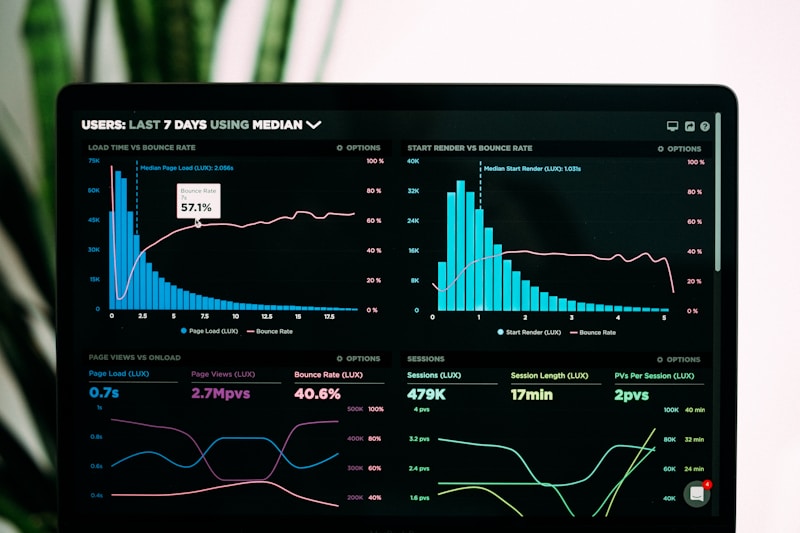
Website speed test showing Core Web Vitals

3. Mobile-Friendliness

Most users in Kenya browse on mobile. Google prioritizes mobile-friendly sites.

Fix: Make your site responsive, fast-loading on mobile, and easy to navigate.

4. HTTPS & Secure Website

Security matters for SEO. Google favors HTTPS websites.

Fix: Install SSL certificates and redirect HTTP pages to HTTPS.

5. URL Structure

Clean URLs improve user experience and SEO.

Fix: Keep URLs short, include relevant keywords, avoid unnecessary parameters. Example: /blog/technical-seo-explained-2026.html

6. Fix Broken Links (404 Errors)

Broken links reduce crawlability and frustrate users.

Fix: Regularly check your website for 404 errors and fix or redirect them using 301 redirects.

7. Structured Data (Schema Markup)

Schema markup helps Google understand your content for rich results, which improves CTR and visibility.

Fix: Use BlogPosting schema for blogs, Product schema for e-commerce, LocalBusiness schema for local SEO.

8. Internal Linking

Internal linking distributes SEO power, helps Google crawl your site, and guides visitors.

Fix: Link to your services, case studies, and contact section using descriptive anchor text.

9. Duplicate Content Issues

Duplicate content confuses Google and can reduce rankings.

Fix: Use canonical tags and ensure all content is unique.

🧠 Before & After – Technical SEO Fix

❌ BEFORE (Technical Issues)

  • 5s+ load time
  • 30+ broken links
  • Not mobile responsive
  • No XML sitemap
  • Duplicate meta tags

✅ AFTER (Optimized)

  • 1.8s load time
  • 0 broken links
  • Fully responsive
  • Proper sitemap & robots.txt
  • Unique meta tags

📊 Case Study: Technical SEO Doubled a Nairobi Business’s Traffic

Client: Local service business in Nairobi

Problems found: 45 broken links, 6s load time, no sitemap, duplicate meta tags

Solutions implemented: Fixed broken links (301 redirects), compressed images, installed SSL, added XML sitemap, rewrote meta tags

Results within 8 weeks:

  • 📈 Organic traffic +180%
  • 🏆 Page speed improved from 6s to 1.9s
  • 📞 Leads increased +250%

👉 Get a technical SEO audit →

⭐ What Kenyan Business Owners Say

“We had no idea our site had 40 broken links and slow speed. After technical SEO fixes, our rankings jumped and traffic tripled!” – James K., Nairobi
“The structured data they added gave us rich snippets. Our click‑through rate increased by 30%.” – Linda A., Mombasa

💰 Real Value of Technical SEO in Kenya

Professional technical SEO audits and fixes typically cost between $200 – $800 depending on the number of issues. Monthly technical SEO management starts at $299/month.

👉 Today: Get a FREE $100 Technical SEO Audit

🚀 Claim Your Free Audit →

📞 Get a Free Technical SEO Audit – Diagnose Hidden Issues

Limited spots this week. We’ll crawl your site, identify technical errors, and deliver a custom fix roadmap.

Form not working? WhatsApp us directly at 0710346425 or email davidochieng99@gmail.com.

✔ No commitment • ✔ Free consultation • ✔ Actionable fix list

🚀 Fix Technical SEO – Start Ranking Higher

Most Kenyan websites have hidden technical issues killing their rankings. Get a free audit and start fixing them today.

Get Your Free Technical SEO Audit → Chat on WhatsApp

Limited spots – only 5 free audits per week.

Conclusion & Action Plan

Technical SEO is the foundation of online success. Fix these issues and your website will rank higher, attract more traffic, and generate leads in Kenya. Action steps:

  • Run a technical SEO audit (free tool: Screaming Frog, or request our free audit)
  • Fix broken links (301 redirects)
  • Optimize site speed (compress images, enable caching)
  • Ensure mobile responsiveness
  • Add structured data (schema)
  • Submit sitemap to Google Search Console

Next guides you should read: On-Page SEO Checklist, Local SEO Guide, Shopify SEO Guide.

Call to Action: Ready to fix your technical SEO? Contact DK Digital SEO today for a personalized technical audit!

❓ Frequently Asked Questions – Technical SEO

What is technical SEO?
Technical SEO optimizes your website so search engines can crawl, index, and understand your content – essential for rankings. It includes speed, mobile, indexing, and structured data.
How long does technical SEO take to show results?
Some fixes (like broken links, meta tags) can show impact in days. Full site optimization typically takes 1–3 months.
Do I need a developer for technical SEO?
Basic fixes (sitemap, robots.txt) you can do yourself. Advanced fixes (speed optimization, schema markup, crawl errors) may need a developer or SEO expert.
How much does technical SEO cost in Kenya?
One‑time technical audits start at $199. Monthly technical SEO management starts at $299/month. Free $100 audit included.
What is Core Web Vitals?
Core Web Vitals are Google’s metrics for loading speed (LCP), interactivity (FID), and visual stability (CLS). Poor scores hurt rankings.
How do I check if my site is mobile‑friendly?
Use Google’s Mobile‑Friendly Test tool. If it fails, your site needs responsive design fixes.
Need technical SEO help? Chat now